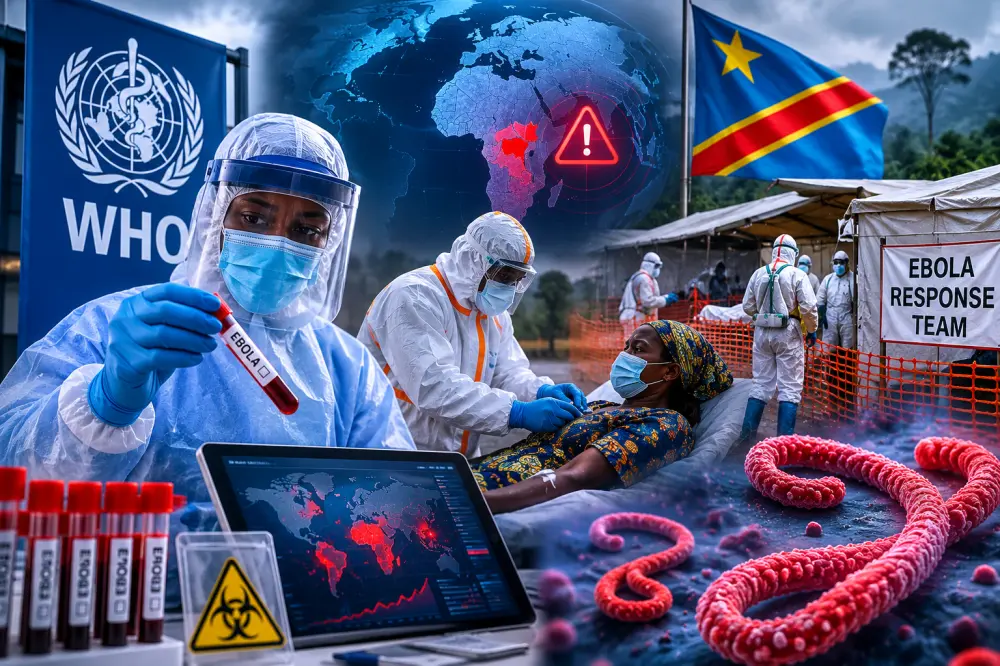
The World Health Organization (WHO) has raised fresh concerns over the growing number of measles cases being reported across several regions, warning that declining vaccination coverage and gaps in routine immunization programs are increasing the risk of larger outbreaks. Public health experts say the disease, once considered largely under control in many countries, is making a significant comeback and could place additional pressure on healthcare systems if urgent action is not taken.
Health authorities have linked the recent rise in infections to disruptions in vaccination campaigns, population displacement caused by conflicts, and growing vaccine hesitancy in some communities. These factors have created pockets of vulnerable populations where the virus can spread rapidly, particularly among young children who have not received the recommended doses of the measles vaccine.
Measles is one of the most contagious viral diseases known to medicine. The virus spreads through coughing, sneezing, and close personal contact, and it can remain in the air for several hours after an infected person leaves an area. Because of its high transmission rate, even a small decline in vaccination coverage can quickly lead to outbreaks affecting hundreds or thousands of people.
Doctors explain that early symptoms usually include fever, cough, runny nose, red eyes, and fatigue before the appearance of the distinctive red rash that spreads across the body. While many patients recover fully, measles can also lead to serious complications such as pneumonia, brain inflammation, severe dehydration, hearing loss, and, in some cases, death. Infants, pregnant women, and people with weakened immune systems face the highest risk of severe illness.
The WHO says vaccination remains the most effective defense against the disease. Two doses of the measles vaccine provide very high levels of protection and have prevented millions of deaths over the past several decades. According to health experts, maintaining strong immunization coverage not only protects vaccinated individuals but also helps prevent the virus from spreading within communities through herd immunity.
Several countries have already intensified vaccination campaigns in response to the increase in cases. Health ministries are working with international organizations to expand access to vaccines, improve disease surveillance, and educate the public about the importance of routine childhood immunization. Mobile vaccination clinics and community outreach programs are also being deployed in areas where healthcare access remains limited.
The resurgence of measles has highlighted broader concerns about global public health preparedness. Medical professionals warn that interruptions to routine healthcare services during recent years allowed many preventable diseases to regain momentum. Catch-up vaccination programs are therefore becoming a priority in many countries seeking to close immunity gaps before outbreaks grow larger.
Economists also point out that disease outbreaks carry significant financial consequences. Beyond the direct cost of treating patients, governments may face increased healthcare spending, lost productivity, school closures, and economic disruption if infections spread widely. Preventive vaccination programs remain considerably more cost-effective than responding to large-scale outbreaks after they occur.
Researchers continue working to improve disease surveillance systems using digital technology and artificial intelligence to identify outbreaks more quickly. These tools allow health agencies to monitor infection trends, detect unusual clusters of cases, and coordinate responses before diseases spread across larger populations.
Parents and healthcare professionals are being encouraged to review children's vaccination records and ensure recommended immunizations are up to date. Public health officials stress that maintaining high vaccination coverage is essential not only for controlling measles but also for protecting communities against several other preventable infectious diseases.
The WHO believes the current rise in measles cases should serve as a reminder that progress against infectious diseases requires continuous investment in healthcare infrastructure, public education, and immunization programs. While vaccines have dramatically reduced global measles deaths over the past half-century, health experts warn that sustained commitment will be necessary to prevent the disease from regaining a stronger foothold in communities around the world.



 Cristiano Ronaldo has hinted that the 2026–27 season could be his final year in professional football after more than two decades at the top of the sport.


0 Comments: