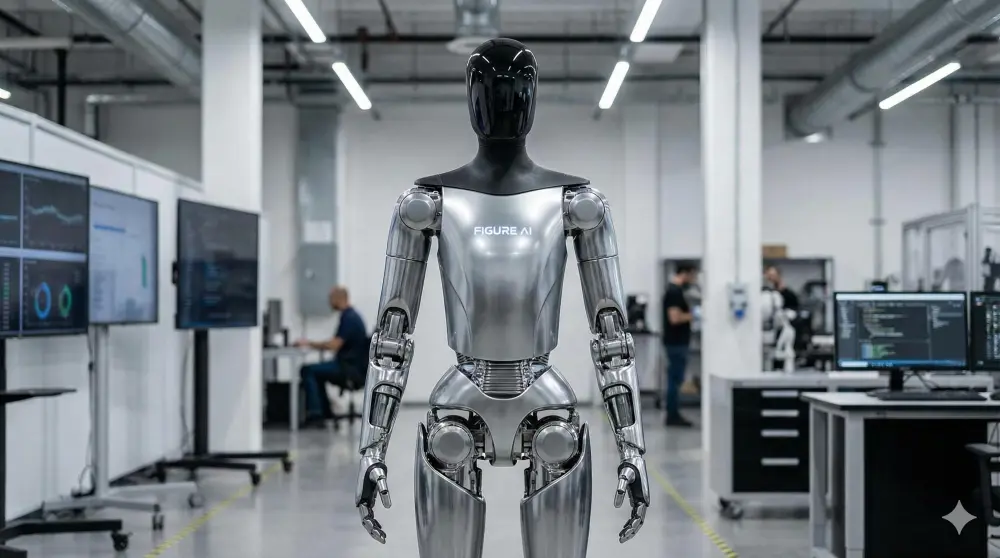
Figure AI has introduced a major upgrade to its humanoid robot platform, unveiling a system capable of learning new workplace tasks simply by observing human demonstrations rather than relying on traditional programming. The announcement represents another important milestone in the race to deploy intelligent robots across factories, warehouses, and commercial workplaces.
Unlike conventional industrial robots that require engineers to manually program every movement, Figure's latest AI-powered system can watch a human complete a task and then reproduce the same activity using advanced reasoning and computer vision. The company says this dramatically reduces deployment time while making robots far more adaptable to changing work environments.
The new platform combines large language models, visual reasoning, and reinforcement learning, allowing robots to understand spoken instructions, recognize objects, and make decisions in real time. Instead of repeating a fixed sequence of movements, the robot can adapt when objects are moved, tools change position, or unexpected situations occur.
Industry analysts believe this represents one of the biggest advances in humanoid robotics over the past year. Businesses have long viewed programming costs as one of the largest barriers to automation. Robots capable of learning through demonstration could significantly lower deployment costs while expanding automation into industries that previously depended entirely on human labor.
Figure AI has already partnered with several large manufacturing and logistics companies to test its humanoid robots in real-world environments. Initial deployments focus on repetitive warehouse operations, material handling, inventory management, and production-line support, where labor shortages continue affecting productivity.
Competition within humanoid robotics is becoming increasingly intense. Tesla continues developing Optimus, while companies including Agility Robotics, Apptronik, Boston Dynamics, and several Chinese robotics firms are investing heavily in AI-powered humanoid systems capable of performing practical commercial work.
Artificial intelligence is playing a central role in this transformation. Modern robots are no longer limited to executing pre-programmed instructions. Instead, advances in machine learning enable them to understand environments, interpret language, and improve performance through continuous learning.
Businesses see enormous potential. Intelligent humanoid robots could eventually assist hospitals, retail stores, hotels, airports, construction sites, and elderly care facilities while helping address growing labor shortages in many developed economies.
Experts caution that widespread adoption will still require continued improvements in safety, reliability, battery life, and affordability. However, many believe the industry has now reached a turning point where AI-driven robotics is transitioning from research laboratories into practical commercial deployment.
Figure AI's latest announcement demonstrates how quickly artificial intelligence is expanding beyond software into the physical world. As smarter robots become capable of learning new skills with minimal human intervention, the next decade could see one of the biggest transformations in workplace automation since the industrial revolution.


 Cristiano Ronaldo has hinted that the 2026–27 season could be his final year in professional football after more than two decades at the top of the sport.



0 Comments: