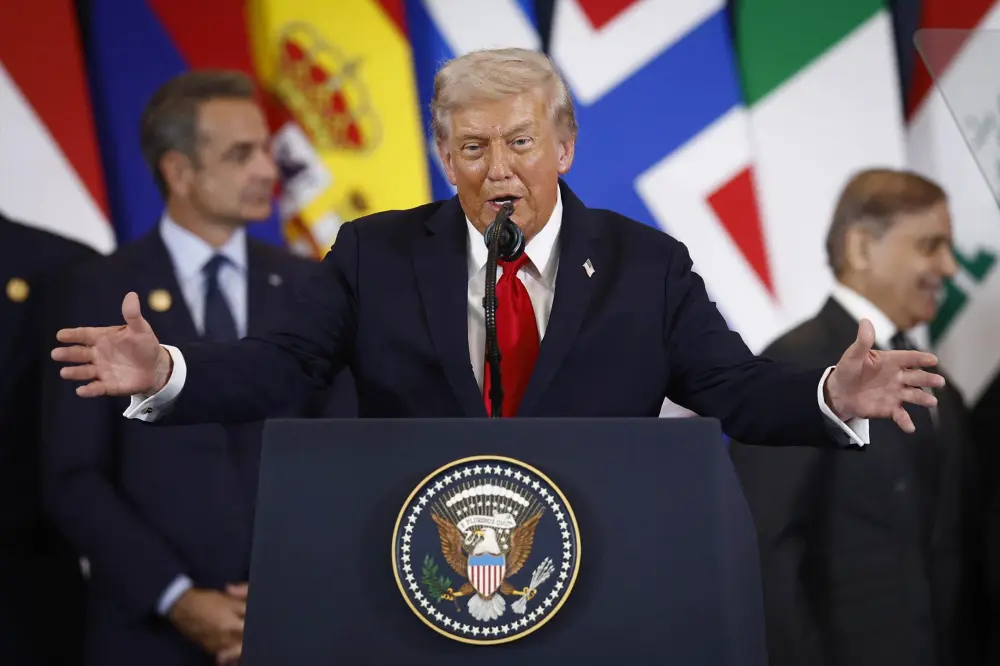
The political fallout from the recent conflict between the United States and Iran continues to grow after the U.S. Senate approved a measure aimed at limiting President Donald Trump's ability to conduct future military operations against Iran without congressional authorization.
The vote has become one of the most significant political developments since the ceasefire framework between Washington and Tehran was announced, exposing divisions in Washington over how the conflict was handled and what role Congress should play in future military decisions.
The Senate action does not immediately stop the president from acting as commander-in-chief, but it sends a strong political message regarding congressional concerns over military involvement in the Middle East.
Several lawmakers argued that decisions capable of leading to prolonged conflict should receive broader legislative oversight, particularly after months of tension that brought the region close to a wider war. The measure attracted support from members of both major political parties, highlighting how concerns about military authority have expanded beyond traditional partisan lines.
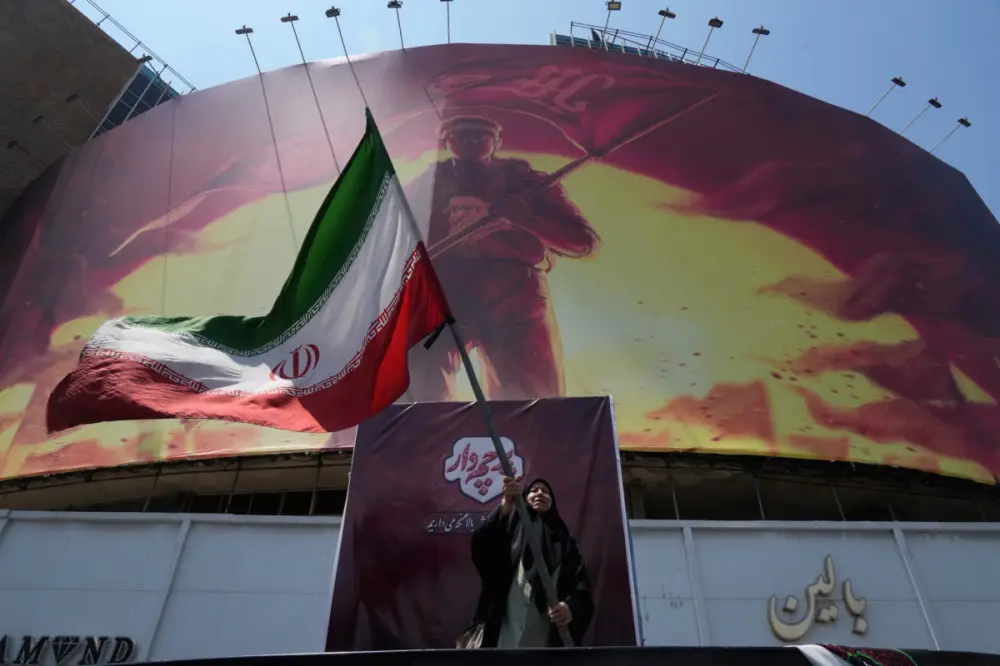
The debate follows a period of intense confrontation between the United States and Iran that affected energy markets, international trade routes, and regional security. The conflict generated fears of a broader Middle East crisis, especially after military strikes, threats of retaliation, and concerns surrounding the Strait of Hormuz raised alarm among governments and businesses around the world. While diplomatic efforts eventually produced a ceasefire framework, the political consequences continue to unfold in Washington.
Supporters of the Senate measure argue that congressional oversight is essential when military actions risk escalating into larger conflicts. They contend that elected lawmakers should have a direct role in decisions that could lead to extended military engagement or major international consequences. Critics of the resolution, however, maintain that presidents must retain flexibility to respond quickly to emerging threats and protect national security interests without lengthy political delays.
The vote arrives during a sensitive stage in U.S.-Iran relations. Negotiators are still attempting to transform the current ceasefire framework into a broader political settlement addressing sanctions, regional security concerns, maritime trade, and nuclear issues. Diplomatic channels remain open, but disagreements over inspections, sanctions relief, and enforcement mechanisms continue to create uncertainty about the long-term prospects for peace.
The issue has also become increasingly important for financial markets. Investors have closely monitored developments in the Middle East because the region remains critical to global energy supplies and international shipping routes. Previous disruptions linked to the conflict contributed to volatility in oil prices and increased concerns about inflation and economic growth. Market participants generally view diplomatic progress as a positive sign for stability, while renewed tensions could quickly reverse recent gains.
International allies are also paying close attention. Several governments have encouraged continued diplomacy while urging both Washington and Tehran to avoid actions that could undermine the ceasefire. The broader international community remains concerned that any collapse in negotiations could reignite military confrontation and create new economic disruptions across global markets.
Political analysts believe the Senate vote reflects a deeper debate about America's future role in the Middle East. After years of military involvement across the region, many lawmakers are increasingly cautious about actions that could trigger another prolonged conflict. At the same time, national security concerns surrounding Iran's regional influence and strategic capabilities continue to shape policy discussions in Washington.
The coming weeks could prove critical. Negotiators face difficult discussions over unresolved issues, while political leaders in both countries confront domestic pressures from supporters and critics alike. Whether the current ceasefire evolves into a lasting agreement may depend not only on diplomatic progress but also on how political institutions respond to the legacy of the conflict.
For now, the Senate vote stands as one of the clearest signs that the debate over Iran is no longer limited to diplomacy and military strategy. It has become a major political issue inside the United States, with implications that could influence foreign policy decisions long after the current negotiations conclude.


 Cristiano Ronaldo has hinted that the 2026–27 season could be his final year in professional football after more than two decades at the top of the sport.

0 Comments: