The fragile ceasefire framework designed to reduce tensions across the Middle East is facing a significant new challenge following a deadly incident in southern Lebanon that has reignited concerns about the long-term stability of the agreement. The incident has drawn attention from regional governments and international mediators who fear that renewed violence on the Lebanon-Israel frontier could complicate ongoing diplomatic efforts involving Iran and the United States.
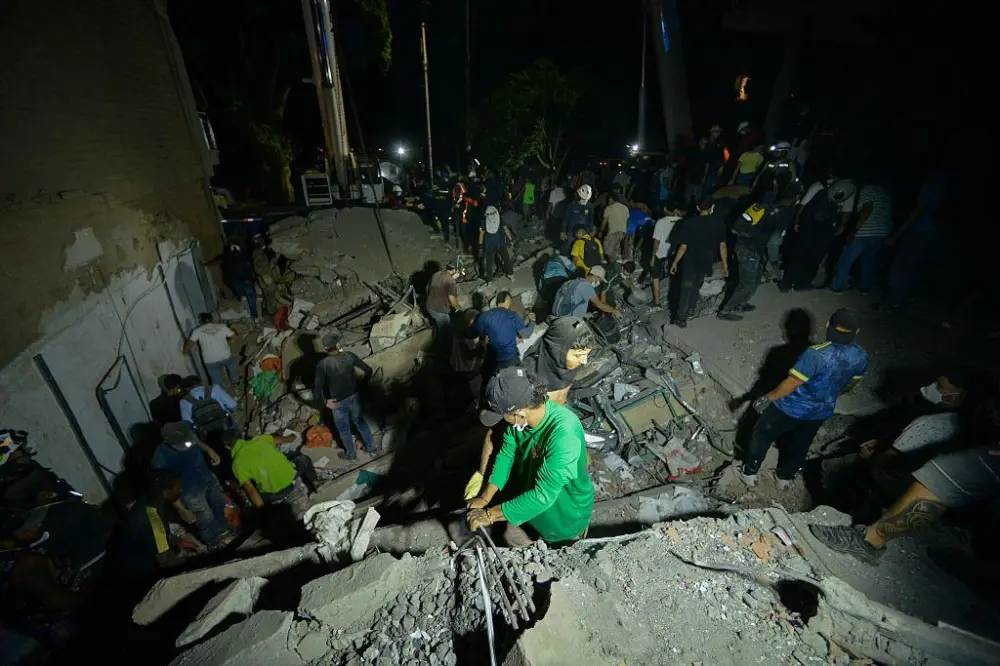
According to Lebanese authorities, two people were killed after Israeli forces opened fire in southern Lebanon. Israeli officials said the individuals were linked to Hezbollah activity and represented a security threat. The deaths have become the first reported fatalities since the latest ceasefire arrangements took effect, immediately raising concerns that local confrontations could expand into a broader regional dispute.
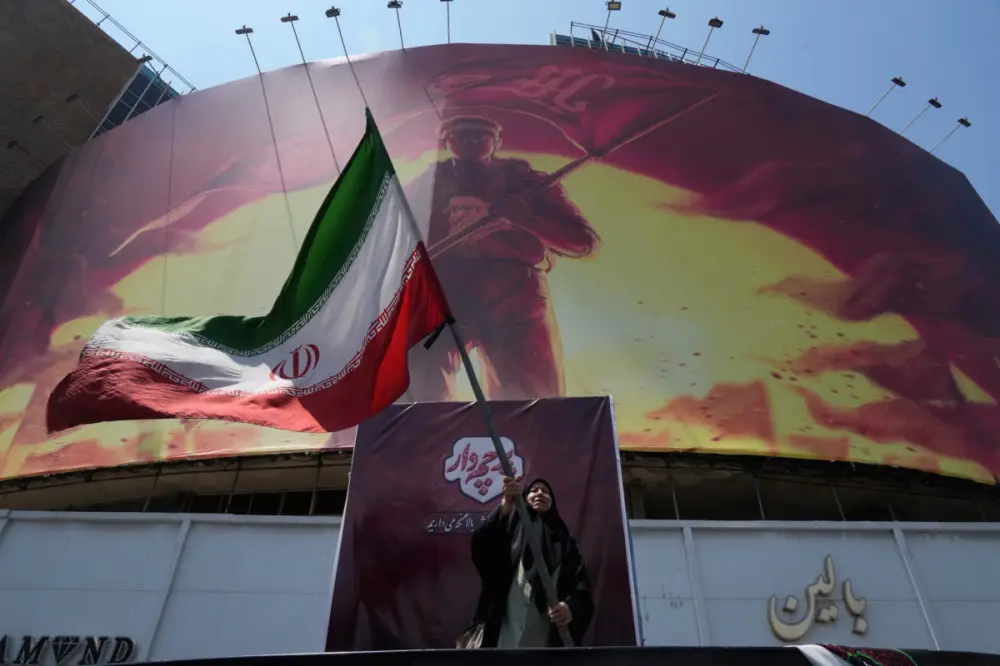
The incident is particularly sensitive because Lebanon remains deeply connected to the wider negotiations surrounding Iran. Tehran has repeatedly argued that any ceasefire agreement must apply across all fronts, including Lebanon, where Hezbollah remains one of the most influential political and military actors. Iranian officials have previously warned that violations in Lebanon could undermine confidence in broader peace efforts and complicate negotiations with Washington.
The ceasefire itself emerged after months of conflict that disrupted regional trade, threatened global energy markets, and increased fears of a wider Middle East war. The agreement created a temporary pathway for negotiations on more difficult issues, including sanctions relief, maritime security, nuclear oversight, and regional stability. While the framework succeeded in reducing large-scale military operations, many of the most difficult political questions remain unresolved.
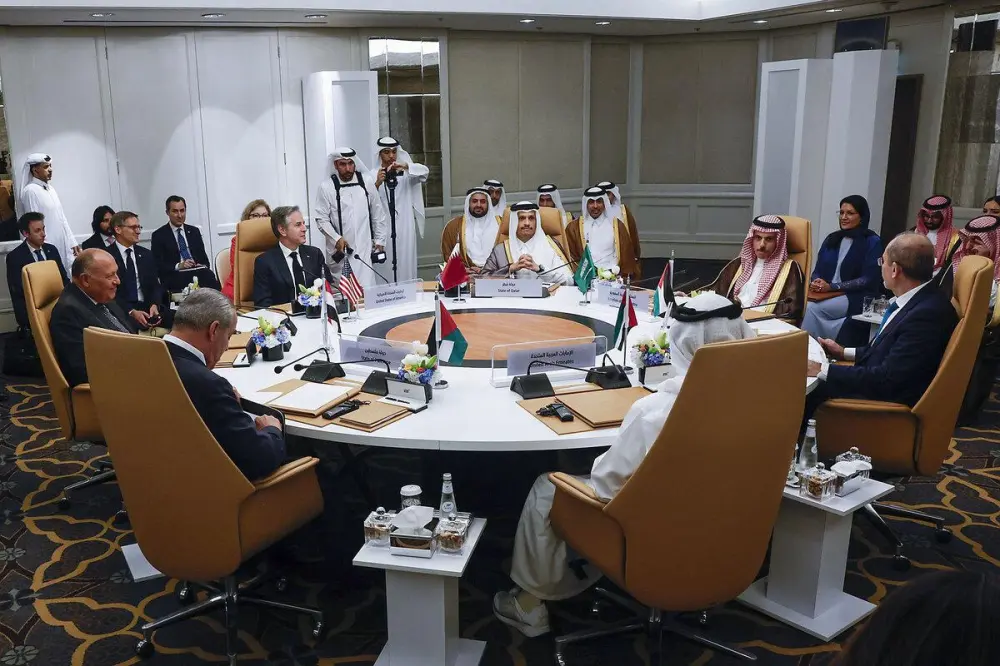
Diplomatic efforts are continuing behind closed doors as negotiators attempt to convert the current framework into a more comprehensive settlement. Mediators from several countries have been working to maintain communication channels between Washington and Tehran while also addressing concerns linked to Lebanon and the Strait of Hormuz. Recent discussions produced a roadmap intended to guide negotiations over the coming weeks, though officials acknowledge that major disagreements remain.
Security experts note that ceasefires in complex regional conflicts are often tested by localized incidents. Even when national leaders support negotiations, events on the ground can quickly generate political pressure and public demands for retaliation. The challenge facing diplomats is preventing isolated clashes from escalating into a broader crisis that could derail months of negotiations.
The situation has also attracted attention from the aviation and shipping industries. European aviation authorities recently advised airlines to continue avoiding airspace over Iran, Iraq, and Lebanon despite recent diplomatic progress, citing concerns that ceasefire violations remain possible and security conditions have not fully stabilized.
Global markets are monitoring developments closely because the region remains strategically important for energy exports and international trade routes. Previous disruptions linked to the conflict contributed to volatility in oil prices and shipping costs, prompting governments and businesses to watch ceasefire developments with increasing concern. Stability in the Middle East remains a key factor influencing investor confidence and broader economic expectations.
For now, diplomatic channels remain open and neither side has indicated an intention to abandon negotiations. However, the latest violence highlights how fragile the current situation remains. With unresolved disputes over security arrangements, regional influence, and the future direction of negotiations, the success of the ceasefire may depend on whether leaders can contain local incidents before they develop into larger confrontations.


 Cristiano Ronaldo has hinted that the 2026–27 season could be his final year in professional football after more than two decades at the top of the sport.

0 Comments: