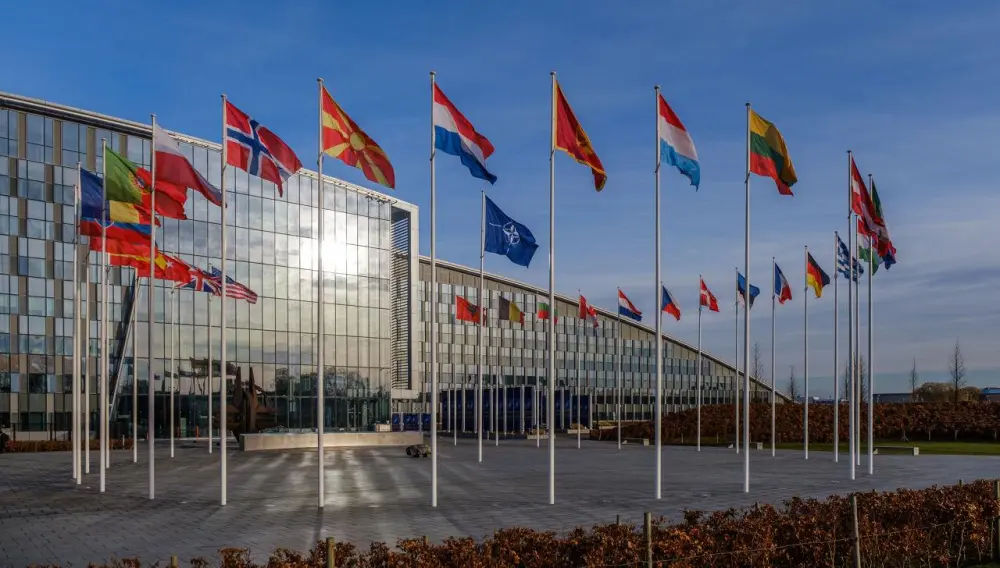
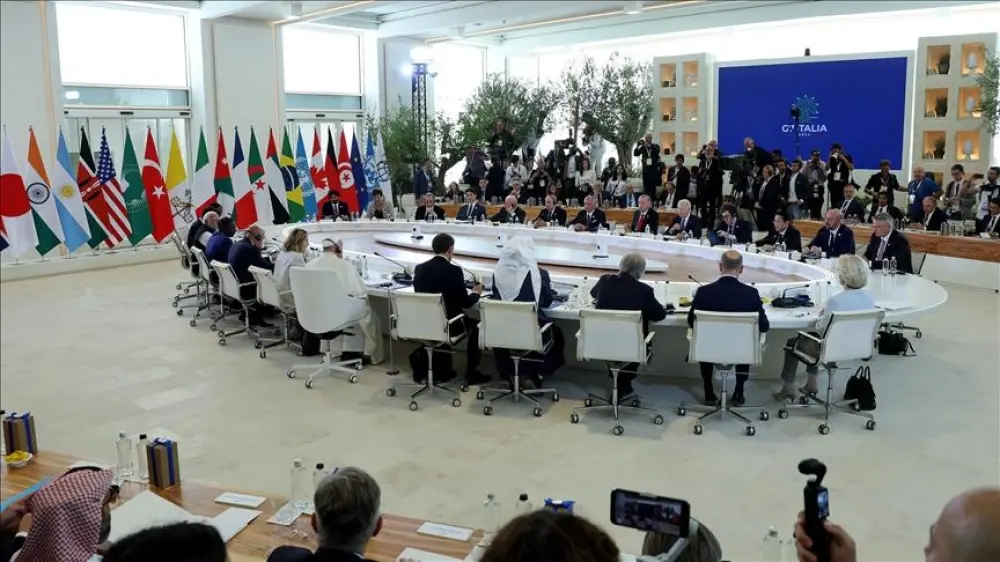
Leaders of NATO member states have agreed to significantly strengthen their long-term defense commitments as concerns over global security continue to reshape international politics. The agreement, reached during high-level meetings between alliance members, reflects growing recognition that geopolitical tensions, regional conflicts, cyberattacks, and emerging military technologies require a stronger and more coordinated security strategy.
The latest commitment centers on increasing defense investment across the alliance while accelerating military modernization programs. Governments agreed that improving military readiness is becoming increasingly important as security threats evolve beyond traditional warfare to include cyber operations, space-based technologies, artificial intelligence, and unmanned weapons systems. Defense planners argue that future conflicts are likely to involve both conventional military forces and sophisticated digital capabilities, requiring NATO members to adapt rapidly.
Alliance officials said higher defense spending will support investments in advanced air defense systems, long-range missile capabilities, cybersecurity infrastructure, intelligence gathering, naval modernization, and next-generation military technologies.
Several member states have already announced plans to increase military budgets over the coming years, while others committed to accelerating procurement of modern equipment designed to improve interoperability among allied forces.
The renewed focus on defense comes after a period of heightened geopolitical instability across several regions. Ongoing conflicts, maritime security concerns, and growing strategic competition among major world powers have prompted governments to reassess national security priorities. NATO leaders believe closer military cooperation will improve the alliance's ability to respond quickly to future crises while maintaining collective deterrence.
Cybersecurity formed a major part of the discussions. Officials warned that attacks targeting critical infrastructure, financial institutions, communication networks, and government systems have become increasingly sophisticated. As a result, NATO members are investing heavily in cyber defense capabilities designed to protect essential services while improving intelligence sharing among allied countries.
Artificial intelligence is also becoming a strategic priority for military planners. Defense experts believe AI-powered surveillance, autonomous systems, battlefield analytics, and decision-support technologies will transform military operations over the next decade. Several alliance members are increasing research funding to ensure they remain competitive in rapidly evolving defense technologies while establishing common standards for responsible AI deployment.
Economic considerations were also discussed during the meetings. Increased defense spending is expected to generate substantial investment in aerospace, manufacturing, cybersecurity, engineering, and advanced technology industries. Supporters argue that stronger defense industries can stimulate innovation, create skilled jobs, and strengthen domestic manufacturing capabilities while improving national security.
Despite broad agreement on strengthening the alliance, leaders acknowledged that maintaining public support for higher military spending remains an important challenge. Many governments continue balancing defense investments with domestic priorities such as healthcare, education, infrastructure, and economic development.
Officials emphasized that long-term security and economic stability are closely connected, arguing that effective defense remains essential for protecting international trade, investment, and democratic institutions.
International analysts say the latest commitments demonstrate how dramatically global security priorities have changed in recent years. Rather than focusing solely on conventional military capabilities, governments are increasingly preparing for a wider range of threats including cyber warfare, disinformation campaigns, critical infrastructure attacks, and technological competition.
Military cooperation between alliance members is expected to expand further through additional joint exercises, intelligence sharing, technology development, and coordinated defense planning. Officials believe these measures will improve collective preparedness while strengthening NATO's ability to respond to rapidly changing security challenges.
The decisions reached by alliance leaders are likely to influence defense policies well beyond Europe. As governments around the world reassess their own military strategies, NATO's renewed commitment to stronger defense investment is expected to shape international security discussions, technological innovation, and geopolitical relationships for years to come.


 Cristiano Ronaldo has hinted that the 2026–27 season could be his final year in professional football after more than two decades at the top of the sport.



0 Comments: