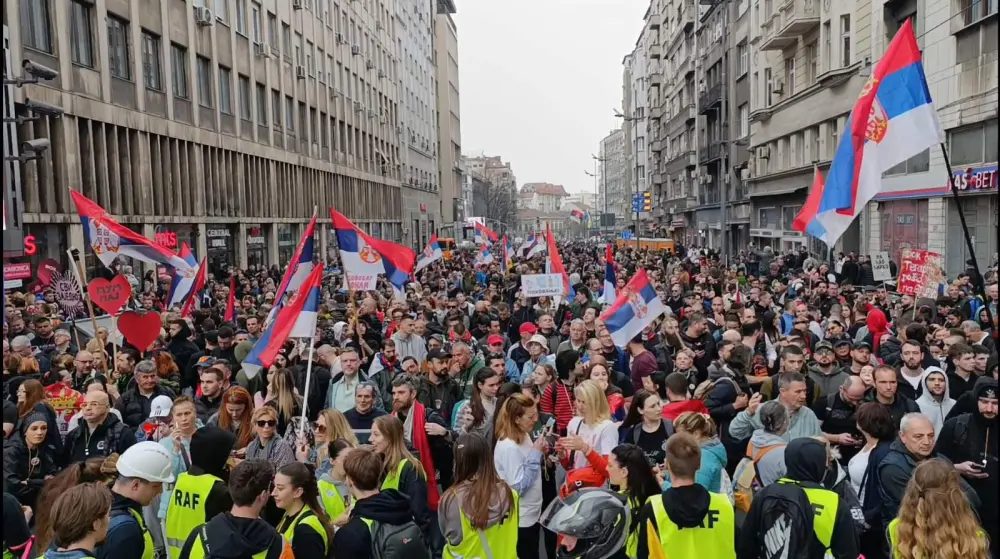
Serbia is preparing for a significant political transition after President Aleksandar Vu?i? announced that he intends to resign within the coming weeks, bringing fresh uncertainty to one of Southeast Europe's most influential countries. The announcement follows an extended period of political tension, public demonstrations, and growing pressure from opposition groups demanding political reforms and greater government accountability.
Vu?i?'s decision comes after months of mounting domestic challenges that have dominated Serbia's political landscape. Large demonstrations have taken place in several cities, with protesters calling for institutional reforms, greater transparency, and changes to government policies. The political unrest has become one of the country's biggest domestic issues, drawing attention from governments and observers across Europe who are closely monitoring developments in the Balkan region.
The president said his resignation is intended to allow the country to move toward political stability while creating an opportunity for a new leadership process. Although specific details regarding the transition have yet to be finalized, constitutional procedures are expected to determine how the government manages the change and whether new elections will be required in the coming months.
Political analysts say the resignation could reshape Serbia's domestic and international priorities. Over the past decade, the country has played an important role in regional diplomacy while balancing relationships with the European Union, neighboring Balkan countries, Russia, China, and other international partners. Any leadership transition is therefore expected to attract significant international attention because of Serbia's strategic position in Southeast Europe.
Financial markets and business leaders are also watching developments closely. Political uncertainty often influences investor confidence, foreign direct investment, and long-term economic planning. While Serbia's economy has shown resilience in recent years, economists note that stable political institutions remain essential for maintaining investor confidence and supporting future economic growth.
European leaders have emphasized the importance of a peaceful and constitutional transition of power. Several international organizations have urged all political parties to respect democratic institutions, avoid violence, and ensure that any future electoral process remains transparent and credible. Diplomats believe maintaining political stability will be important not only for Serbia but also for the wider Balkan region.
Inside Serbia, reactions to the announcement have been mixed. Supporters of the president describe the move as an opportunity to reduce political tensions and encourage national unity, while opposition leaders argue that meaningful reforms must accompany any leadership change if public confidence is to be restored. Civil society organizations have also called for open dialogue aimed at strengthening democratic institutions.
The coming weeks are expected to be critical as government officials outline the next constitutional steps. Questions remain about who could emerge as Serbia's next leader, whether parliamentary or presidential elections will be held, and how the transition could affect domestic policy as well as the country's international relationships.
International observers believe the resignation represents one of the most significant political developments in the Balkans this year. As Serbia enters a new chapter, governments across Europe will be watching closely to see how the transition unfolds and whether it leads to greater political stability or an increasingly competitive electoral environment.
For now, attention remains focused on Belgrade, where political leaders, opposition parties, and constitutional authorities are expected to shape the country's next steps. The decisions made during this transition period are likely to influence Serbia's political direction, economic outlook, and regional role for years to come.

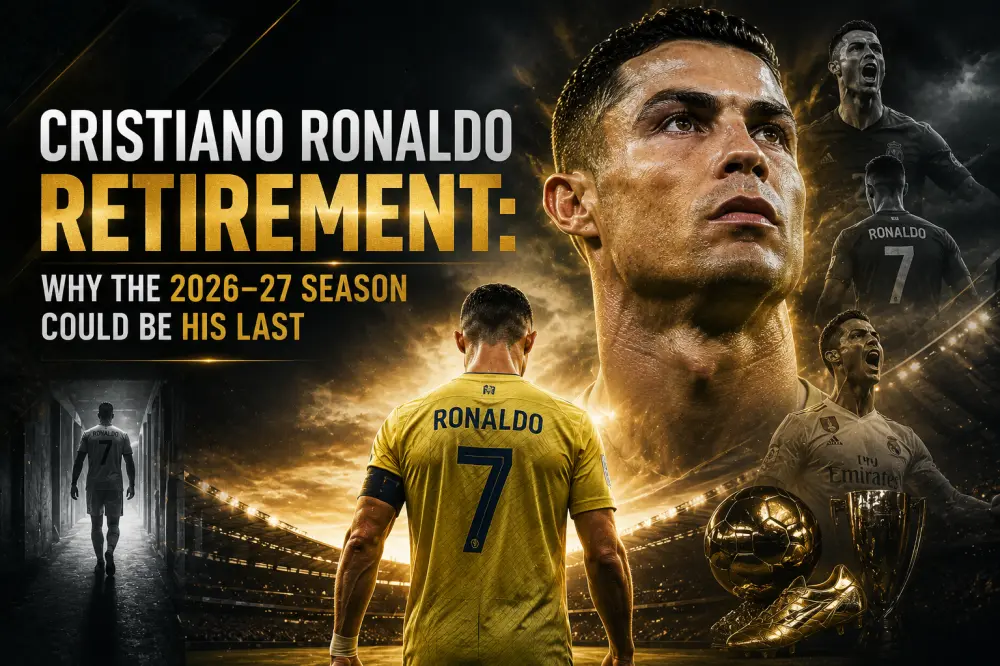
 Cristiano Ronaldo has hinted that the 2026–27 season could be his final year in professional football after more than two decades at the top of the sport.


0 Comments: