Tensions between the United States and Iran have intensified once again after President Donald Trump authorized a fresh wave of American airstrikes against Iranian military installations following what U.S. officials described as repeated violations of the recently negotiated ceasefire.
The latest military operation marks another dramatic escalation in a conflict that had shown signs of easing only days earlier, raising fresh concerns that diplomatic efforts to stabilize the Middle East could be slipping out of reach.
According to the U.S. Central Command, the strikes targeted Iranian military surveillance systems, drone storage facilities, missile support infrastructure, and coastal radar installations believed to be involved in recent attacks on commercial shipping.
American officials said the operation was carried out after Iran allegedly launched another one-way attack drone that struck a commercial tanker traveling through the Strait of Hormuz, an incident Washington says violated the ceasefire agreement reached earlier this month.
President Trump defended the military response, stating that the United States would not tolerate continued attacks against international shipping or threats to freedom of navigation in one of the world's most strategically important waterways.
He warned that further military action remains possible if Iran continues what his administration describes as aggressive actions against commercial vessels and regional security interests. The White House maintains that the strikes were limited, defensive, and designed to deter additional attacks rather than trigger a broader regional war.
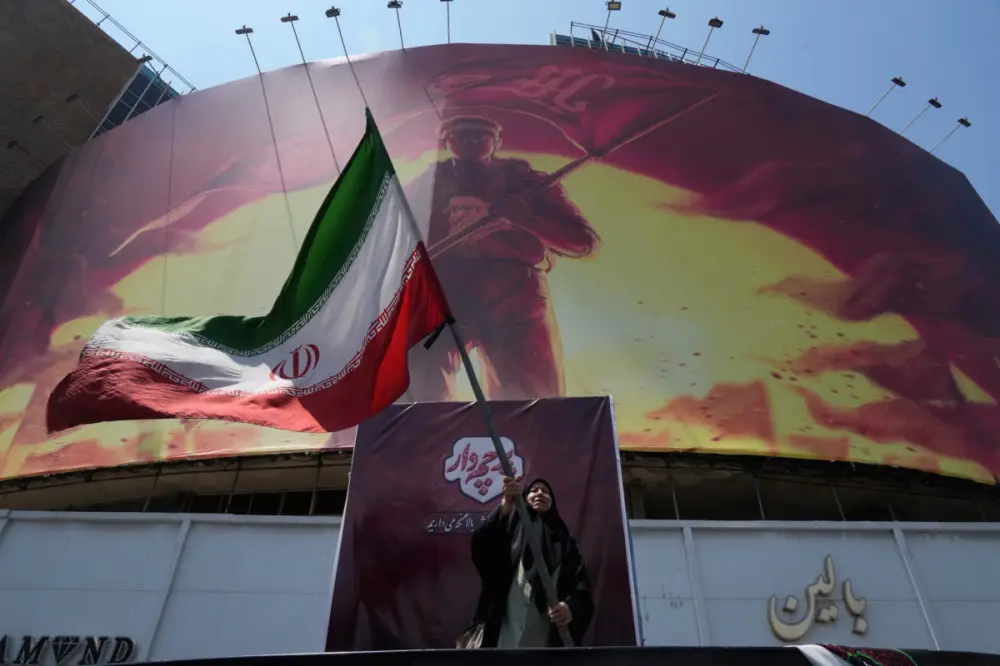
Iran strongly rejected the American explanation, accusing Washington of violating the ceasefire and escalating tensions through military force instead of diplomacy. Iranian officials argued that the latest U.S. attacks undermine ongoing negotiations aimed at resolving broader disputes surrounding sanctions, nuclear oversight, and regional security. Tehran warned that continued military operations could force Iran to reconsider its current diplomatic engagement with Washington and its regional partners.
The Strait of Hormuz remains at the center of the confrontation. The narrow waterway carries a significant share of the world's crude oil exports, making it one of the most important maritime trade routes on the planet. Even limited military incidents in the area have the potential to influence oil prices, increase shipping insurance costs, and disrupt global supply chains that depend on uninterrupted energy exports from the Gulf.
Commercial shipping companies have responded by increasing security precautions while monitoring guidance from international naval forces operating in the region. Although maritime traffic has not completely stopped, shipping operators remain cautious as the possibility of further attacks continues to create uncertainty for vessels traveling through the Persian Gulf. Several governments have also advised shipping companies to remain alert while transiting the area.
The renewed confrontation has drawn reactions from governments across Europe, Asia, and the Middle East. Diplomatic leaders have urged both Washington and Tehran to exercise restraint and avoid actions that could lead to a wider regional conflict. International observers fear that continued military exchanges could undermine weeks of diplomatic progress and complicate efforts to negotiate a more comprehensive agreement covering nuclear issues, sanctions relief, and regional stability.
Energy markets are also watching developments closely. Traders remain concerned that any prolonged disruption in the Strait of Hormuz could affect global crude oil supplies, pushing energy prices higher and adding inflationary pressure to economies already dealing with slower growth. Analysts say the current situation demonstrates how quickly geopolitical events in the Middle East can influence financial markets around the world.
Political analysts believe the latest escalation also carries significant domestic implications for the Trump administration. While supporters argue that a strong military response is necessary to protect American interests and international commerce, critics warn that repeated military exchanges risk drawing the United States into another prolonged regional conflict. The debate is expected to intensify as Congress and international allies assess the consequences of the latest operation.
Despite the exchange of military action, diplomatic channels have not been completely closed. Officials from several countries continue working behind the scenes to prevent further escalation and encourage both sides to return to negotiations.
Whether those efforts succeed may determine if the current crisis remains a limited confrontation or develops into a broader conflict capable of reshaping security across the Middle East and affecting the global economy for months to come.


 Cristiano Ronaldo has hinted that the 2026–27 season could be his final year in professional football after more than two decades at the top of the sport.

0 Comments: