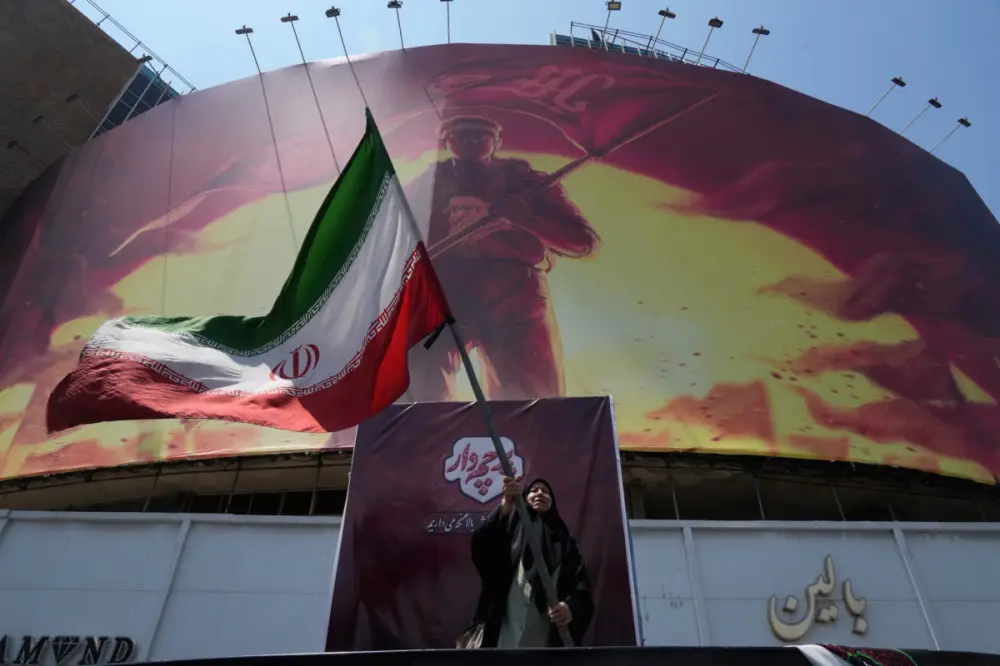
Iranian officials have strongly disputed President Donald Trump's assertion that Tehran agreed to extensive international inspections of its nuclear facilities during recent negotiations. According to Iranian officials, the discussions were focused primarily on reducing tensions, restoring economic stability, and creating a framework that could prevent a return to military confrontation. The disagreement highlights one of the most sensitive issues in the relationship between the two countries and underscores how fragile the current diplomatic process remains despite recent progress.
The dispute is significant because the question of inspections has historically been one of the biggest obstacles to any agreement between Washington and Tehran. Successive U.S. administrations have argued that robust monitoring is necessary to verify compliance with international commitments, while Iranian leaders have repeatedly maintained that certain inspection demands cross lines they consider unacceptable. This difference in approach has contributed to years of diplomatic deadlock and remains unresolved despite ongoing negotiations.
For Iranian policymakers, accepting unrestricted oversight carries political risks at home. Hardline factions within the country have long argued that excessive concessions to Western powers could undermine national sovereignty and weaken Iran's strategic position in the region. As a result, even when diplomatic talks produce areas of agreement, nuclear oversight often re-emerges as a source of tension that threatens broader progress.
The latest disagreement also raises questions about how both sides interpret the commitments made during recent discussions. While American officials describe inspections as a cornerstone of any future settlement, Iranian representatives continue to insist that economic normalization and security guarantees should take priority. Until those competing expectations are reconciled, negotiators are likely to face significant challenges in converting temporary understandings into a lasting agreement.
Analysts note that such disputes are not unusual during complex diplomatic negotiations. However, the public nature of the disagreement has drawn attention because it emerged at a time when both countries were attempting to project optimism about future talks. The conflicting statements have therefore fueled uncertainty among observers who are trying to assess whether the current diplomatic momentum can survive mounting political pressure on both sides.


 Cristiano Ronaldo has hinted that the 2026–27 season could be his final year in professional football after more than two decades at the top of the sport.

0 Comments: