A powerful earthquake struck parts of Japan, prompting authorities to issue tsunami alerts for sections of the Pacific coastline as emergency services assessed the impact of the seismic event. Residents in coastal communities were urged to move to higher ground while officials evaluated potential risks from tsunami waves.
The earthquake was felt across multiple regions, causing buildings to sway and temporarily disrupting transportation services. Rail operators suspended several train routes as a precaution while engineers inspected infrastructure for possible damage before allowing services to resume.
Japan's Meteorological Agency quickly activated its emergency warning system, sending alerts to millions of mobile phones and broadcasting safety instructions through television, radio, and online platforms. Local governments opened emergency shelters in vulnerable coastal areas while disaster response teams were placed on standby.
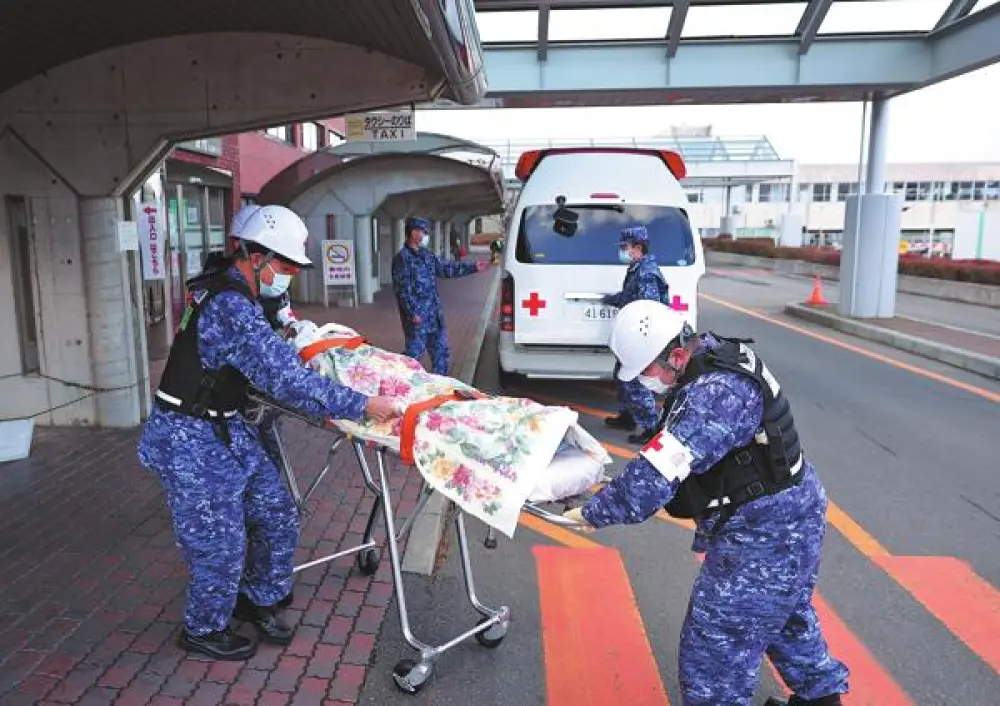
Authorities reported that emergency services immediately began inspecting roads, bridges, ports, and public facilities to identify structural damage. Power companies also monitored electricity networks for potential disruptions, although officials said critical infrastructure continued operating in most affected areas.
Japan is one of the world's most earthquake-prone countries because it sits along the Pacific Ring of Fire, a region where several major tectonic plates meet. The country experiences thousands of earthquakes every year, although only a small percentage cause significant damage or generate tsunami threats.
Scientists say Japan's advanced earthquake monitoring systems remain among the most sophisticated globally. Early warning technology provides valuable seconds for trains, factories, hospitals, and emergency services to respond before stronger shaking reaches populated areas, helping reduce injuries and infrastructure damage.
Residents have been advised to remain alert for aftershocks, which commonly follow major earthquakes. Emergency management officials reminded people to avoid damaged buildings, monitor official announcements, and keep emergency supplies readily available until authorities declare affected areas safe.
The earthquake has also renewed discussions about disaster preparedness across the Asia-Pacific region. Governments continue investing in stronger building standards, improved warning systems, and public education programs to reduce the impact of future seismic events.
Transportation operators have gradually restored services in areas where safety inspections have been completed, while airports continue monitoring runway conditions and operational systems. Authorities say restoration efforts will continue as engineers complete detailed structural assessments.
Although tsunami alerts were issued as a precaution, officials continue monitoring sea levels and coastal conditions before deciding whether to lift emergency warnings. The situation remains under close observation as emergency teams work to ensure public safety and evaluate the full impact of the earthquake.

 Cristiano Ronaldo has hinted that the 2026–27 season could be his final year in professional football after more than two decades at the top of the sport.



0 Comments: