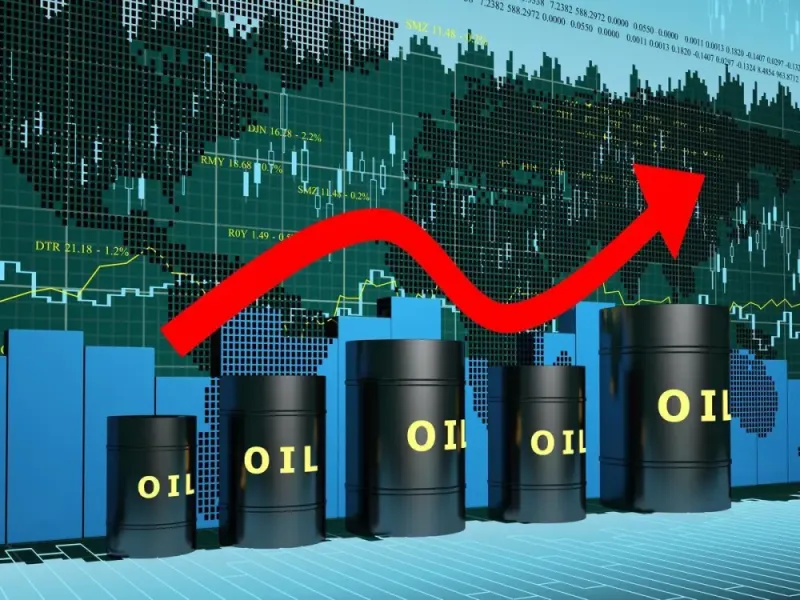
Global oil prices have edged higher as renewed geopolitical tensions across the Middle East continue to unsettle energy markets, with investors closely monitoring developments involving US-Iran diplomacy and escalating clashes between Israel and Hezbollah in southern Lebanon.
The rise reflects growing concerns that instability in key energy-producing regions could disrupt supply routes, particularly through strategic waterways such as the Strait of Hormuz, which remains one of the most important transit points for global crude shipments.
Market analysts say the latest price movements are driven less by immediate supply disruption and more by risk sentiment, as traders react to the possibility of broader escalation in a region already affected by overlapping conflicts.
Strait of Hormuz Remains Central to Market Fears
The Strait of Hormuz, located between Iran and Oman, continues to play a critical role in global energy security, with a significant portion of the world’s oil exports passing through the narrow waterway each day.
Any sign of tension involving Iran or its regional rivals tends to quickly impact oil futures, as traders factor in potential shipping delays, increased insurance costs, or military restrictions in the area.
Although shipping activity has continued despite recent tensions, the market remains highly sensitive to any political signals that could threaten stability in the region.
US-Iran Diplomatic Uncertainty Adds Pressure
Uncertainty surrounding US-Iran negotiations has also contributed to market volatility, as investors attempt to assess whether diplomatic progress can reduce long-term risks.
Recent disagreements over nuclear inspections and sanctions relief have highlighted how fragile the current diplomatic process remains, with both sides offering conflicting interpretations of recent discussions.
Energy analysts note that any breakdown in talks could increase the likelihood of renewed sanctions enforcement or regional escalation, both of which typically have upward pressure on oil prices.
Israel-Hezbollah Clashes Increase Regional Risk Premium
At the same time, ongoing clashes between Israel and Hezbollah in southern Lebanon have added another layer of uncertainty to global energy markets.
While the conflict remains geographically contained, traders often price in a “risk premium” when multiple regional flashpoints emerge simultaneously, especially in areas close to major shipping lanes and energy infrastructure.
The possibility of wider escalation remains a key concern for investors, particularly if fighting expands or draws in additional regional actors.
Global Markets React Cautiously
Beyond oil, global financial markets have shown cautious movement as investors weigh geopolitical risks against broader economic conditions.
Equity markets have remained relatively stable, but energy-linked stocks and commodities have experienced more noticeable fluctuations as traders adjust positions in response to shifting risk expectations.
Analysts expect continued volatility in the short term, especially if diplomatic efforts between key regional powers fail to produce clear de-escalation signals.
Outlook Remains Uncertain
For now, energy markets remain highly sensitive to developments in the Middle East, with no clear indication of stabilization across the major conflict zones.
Traders are expected to closely monitor US-Iran negotiations, Israel-Hezbollah border developments, and shipping activity through the Strait of Hormuz for further signals that could influence price direction in the coming days.

 Cristiano Ronaldo has hinted that the 2026–27 season could be his final year in professional football after more than two decades at the top of the sport.

0 Comments: