North Korea is deploying a missile unit to western Russia that could be equipped with as many as 120 ballistic missiles and six launchers for use against Ukraine, according to Ukrainian military intelligence, marking a major expansion of the growing military partnership between Pyongyang and Moscow. The reported deployment comes at a critical moment for Ukraine, which is already facing severe shortages of advanced air defense interceptors while Russia continues increasing its use of ballistic missiles.
Ukrainian intelligence official Andrii Cherniak said the North Korean unit consists of roughly 90 personnel and is expected to operate alongside Russia's 112th Missile Brigade in the Voronezh region. From positions in western Russia, the missiles could potentially be used against targets inside Ukraine without requiring North Korean forces to cross into Ukrainian territory.
The reported deployment would represent a significant change in the way North Korea is supporting Russia's war effort. Pyongyang has already supplied Moscow with artillery ammunition, ballistic missiles and military personnel, but the direct deployment of a missile unit would bring North Korean military involvement to another level.
Ukraine says North Korea has recently transferred another batch of around 40 KN-23 and KN-24 ballistic missiles to Russia along with additional personnel. Ukrainian officials say the final size and configuration of the deployment could still change following high-level discussions between Russian and North Korean authorities.
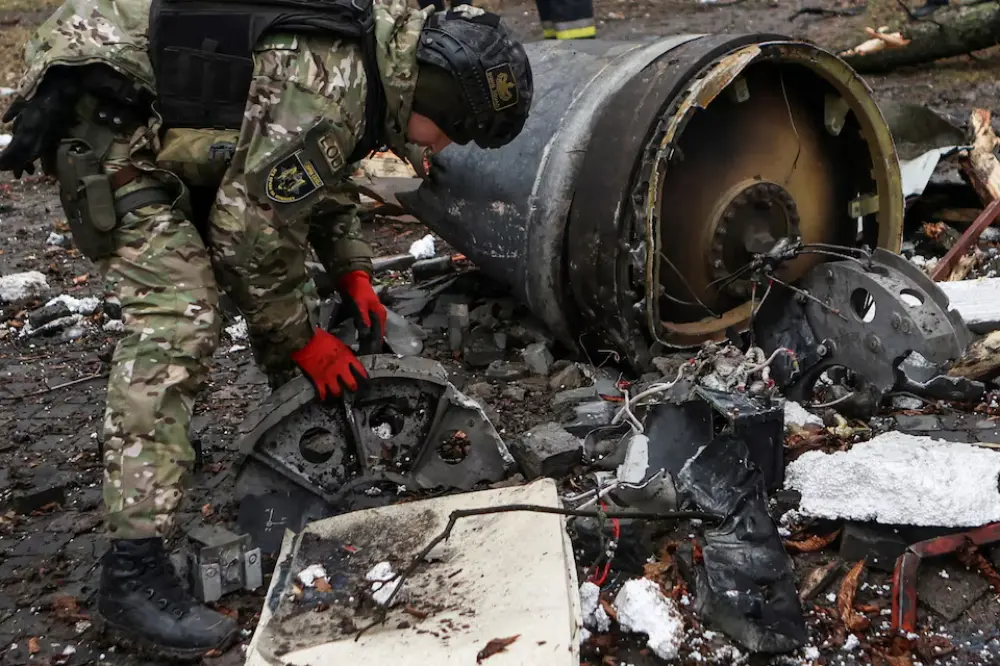
The KN-23 and KN-24 missiles have become increasingly important to Russia's long-range strike campaign. Ukrainian officials and military analysts say the weapons are difficult to intercept because of their ballistic flight paths and high speeds, placing additional pressure on Ukraine's already strained air defense network.
The development is particularly significant because Ukraine says deliveries of missile interceptors have fallen sharply. President Volodymyr Zelenskyy said Ukraine has received only about one-third of the air defense missile supply it received during the comparable period of 2025, despite Russia continuing to launch heavy missile and drone attacks against Ukrainian cities.
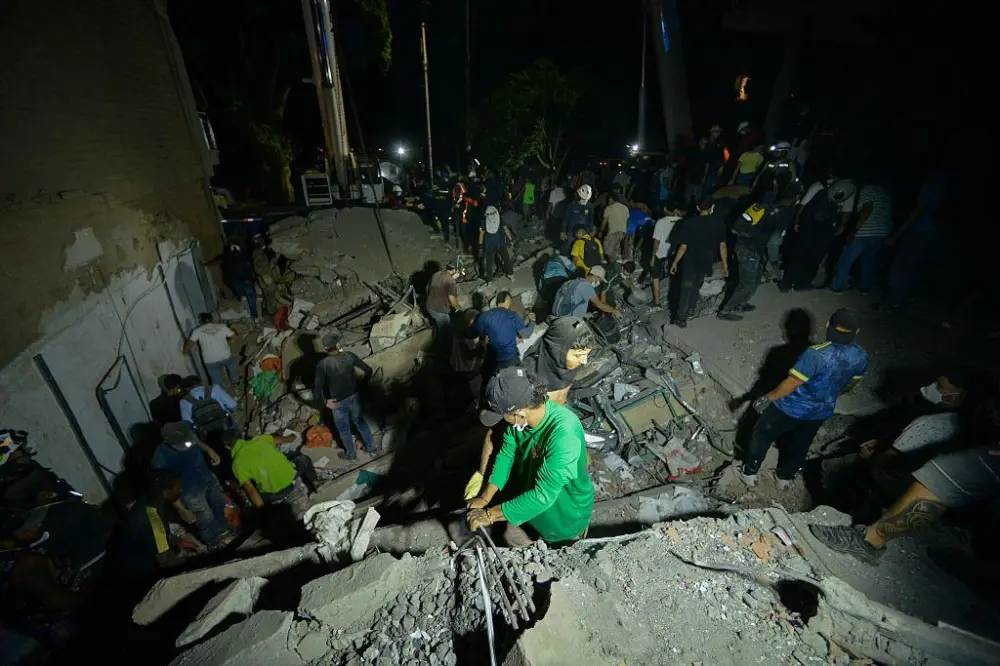
The shortage became painfully visible during Russia's latest attack on Kyiv, where a large barrage of missiles and drones killed at least 17 people and injured dozens more. Ukrainian officials have warned that the lack of Patriot interceptors is making it increasingly difficult to protect major cities against Russian ballistic missiles.
That creates a potentially dangerous situation if Russia receives a new and sustained supply of North Korean ballistic missiles. Instead of relying only on its existing missile stockpiles, Moscow could have access to additional weapons capable of maintaining pressure on Ukrainian cities and infrastructure.
The reported deployment also demonstrates how the war in Ukraine has developed into a conflict involving countries far beyond Europe. North Korea's growing military relationship with Russia has transformed the strategic environment, while Western governments are increasingly concerned about the technology, combat experience and military resources that could flow between Moscow and Pyongyang.
North Korea has previously sent thousands of troops to Russia. Ukrainian and Western officials have said North Korean forces have supported Russian military operations, particularly around Russia's Kursk region, although the exact number of personnel currently active in the wider conflict remains difficult to independently verify.
Russia and North Korea have strengthened their relationship dramatically since Moscow's invasion of Ukraine. The two governments signed a strategic partnership agreement that includes mutual assistance provisions, while their military cooperation has expanded through weapons transfers, training and personnel exchanges.
For Kim Jong Un's government, cooperation with Russia provides an opportunity to gain battlefield experience and potentially receive economic, military or technological benefits. North Korea has long faced international sanctions and isolation, making its growing relationship with Moscow strategically valuable.
For Russia, North Korean support provides access to additional ammunition, missiles and personnel at a time when Moscow continues fighting a prolonged war that has placed enormous demands on its military-industrial system.
The partnership is therefore increasingly being viewed as mutually beneficial. Russia receives military resources, while North Korea gains access to a powerful international partner and potentially valuable military experience from an ongoing modern war.
The reported missile deployment is also likely to attract attention in Washington and European capitals. NATO countries have been monitoring Russia's military relationship with North Korea because of concerns that the partnership could strengthen both countries' capabilities and make the wider security environment more unpredictable.
The United States and its allies have previously condemned North Korea's military assistance to Russia, arguing that transfers of ballistic missiles and other weapons violate international restrictions. Pyongyang and Moscow, however, have continued expanding their cooperation despite Western pressure.
The development could also have consequences for the Korean Peninsula. Military technology and battlefield experience gained through cooperation with Russia could potentially improve North Korea's future missile and military capabilities, creating concerns for South Korea, Japan and the United States.
Experts are particularly interested in whether Russia is helping North Korea improve the accuracy, reliability or operational effectiveness of its missile systems. North Korean weapons have previously been criticized for accuracy problems, but battlefield use provides Pyongyang with valuable information about how its systems perform under real combat conditions.
Ukraine now faces the immediate challenge of dealing with a potential increase in ballistic missile attacks while its supply of high-end interceptors remains limited. Ukrainian officials are pressing European governments and Washington for additional air defense systems and ammunition.
The situation has also increased pressure on Ukraine's allies to find alternative ways of protecting major cities. European governments are discussing additional air defense capabilities, while Kyiv has sought greater support for domestic production of missile defense equipment.
The deployment comes at a sensitive point in the war because diplomatic efforts to end the conflict remain uncertain. While the United States and European governments continue discussing possible negotiations, Russia is simultaneously strengthening its ability to conduct long-range attacks.
That contrast highlights the difficulty of achieving a ceasefire while both sides continue preparing for further military operations. New supplies from North Korea could allow Russia to maintain pressure on Ukraine even as diplomatic discussions continue.
For Ukraine, the concern is not simply the number of missiles involved. Large ballistic missile attacks force Ukrainian commanders to make difficult decisions about where limited interceptors should be deployed. Protecting Kyiv, major military facilities, energy infrastructure and other important cities requires a constant supply of expensive defensive missiles.
If North Korea's reported deployment becomes fully operational, Ukrainian officials fear Russia could use the additional missiles to increase the frequency and intensity of attacks.
The development also reinforces the increasingly global nature of the Russia-Ukraine war. Weapons and military personnel are now moving between Europe and Asia, while governments thousands of kilometres away are directly affected by decisions made in Moscow and Pyongyang.
Whether the reported North Korean unit ultimately deploys all 120 missiles remains unclear, and the claims from Ukrainian intelligence have not been independently verified in full. But the reported movement is already significant enough to raise concerns among Ukraine's allies because of the country's worsening air defense shortage.
As Russia and North Korea continue deepening their military partnership, Ukraine is facing a difficult new reality: the country is not only fighting Russian forces but also confronting weapons and military support originating from a growing network of Moscow's international partners.
The coming weeks will show whether the reported North Korean missile deployment becomes a major new component of Russia's campaign against Ukraine. If it does, Kyiv's demand for additional Patriot interceptors and other advanced air defense systems is likely to become even more urgent, while governments across Europe and Asia will closely monitor how far the Russia-North Korea military partnership is prepared to go.


 Cristiano Ronaldo has hinted that the 2026–27 season could be his final year in professional football after more than two decades at the top of the sport.

0 Comments: