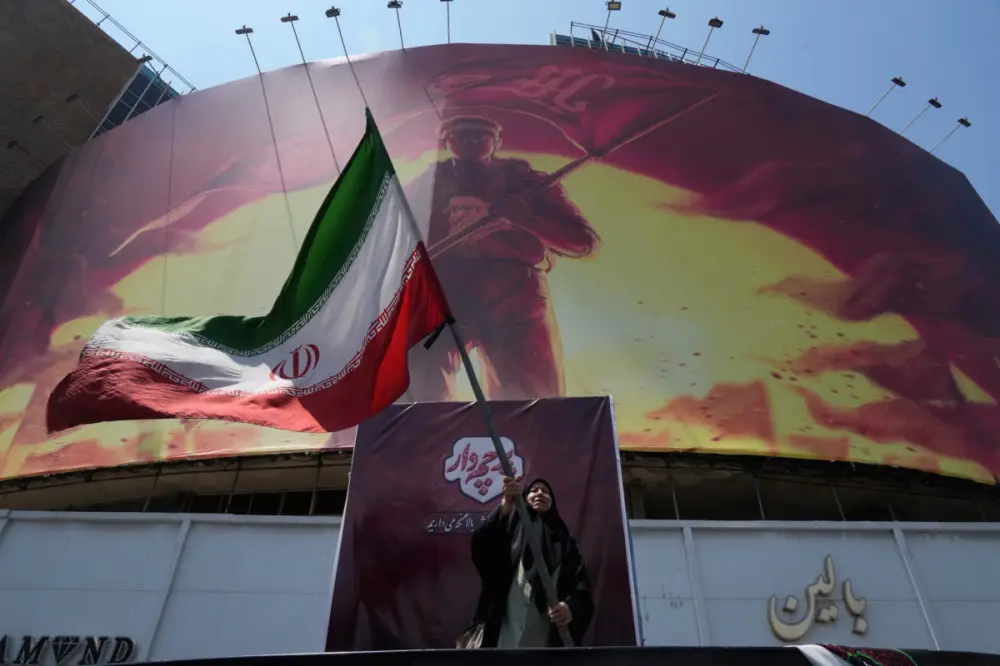
The conflict between the United States and Iran has entered another dangerous phase after Iran launched fresh attacks across the Gulf region following a new wave of American military operations ordered by President Donald Trump. The latest escalation has increased fears of a broader regional conflict while sending shockwaves through global energy markets.
According to military officials, Iran targeted strategic infrastructure and U.S.-linked facilities in multiple Gulf countries, including Bahrain and Kuwait. The attacks followed another night of American airstrikes aimed at Iranian missile positions, air-defense systems, and military installations. U.S. officials say the operations are intended to reduce Iran's ability to threaten commercial shipping and allied forces operating throughout the region.
President Trump defended the latest military action, saying the United States would continue responding to attacks against American personnel and regional allies. Administration officials indicated that additional military options remain available if Iran continues targeting international shipping lanes or U.S. bases.
The renewed fighting has once again placed the Strait of Hormuz at the center of global attention. Nearly one-fifth of the world's oil supply normally passes through the narrow waterway, making any disruption a major concern for governments, shipping companies, and financial markets. Analysts warn that prolonged instability could push fuel prices higher and increase pressure on the global economy.
Regional governments have called for restraint while strengthening security around key energy infrastructure. Military forces throughout the Gulf remain on high alert as international navies continue monitoring commercial shipping routes.
Financial markets reacted cautiously to the latest developments. Oil prices remained volatile while investors closely watched every new announcement from Washington and Tehran. Energy traders believe further escalation could quickly affect global supply chains and inflation.
Despite the growing military confrontation, diplomatic efforts have not completely ended. Several international mediators continue encouraging both sides to return to negotiations, although officials acknowledge that current conditions make immediate talks increasingly difficult.
Security experts believe the coming days will be critical. Whether the crisis expands further or diplomatic channels reopen will influence not only Middle East stability but also global energy markets, international trade, and geopolitical relations for months ahead.


 Cristiano Ronaldo has hinted that the 2026–27 season could be his final year in professional football after more than two decades at the top of the sport.

0 Comments: