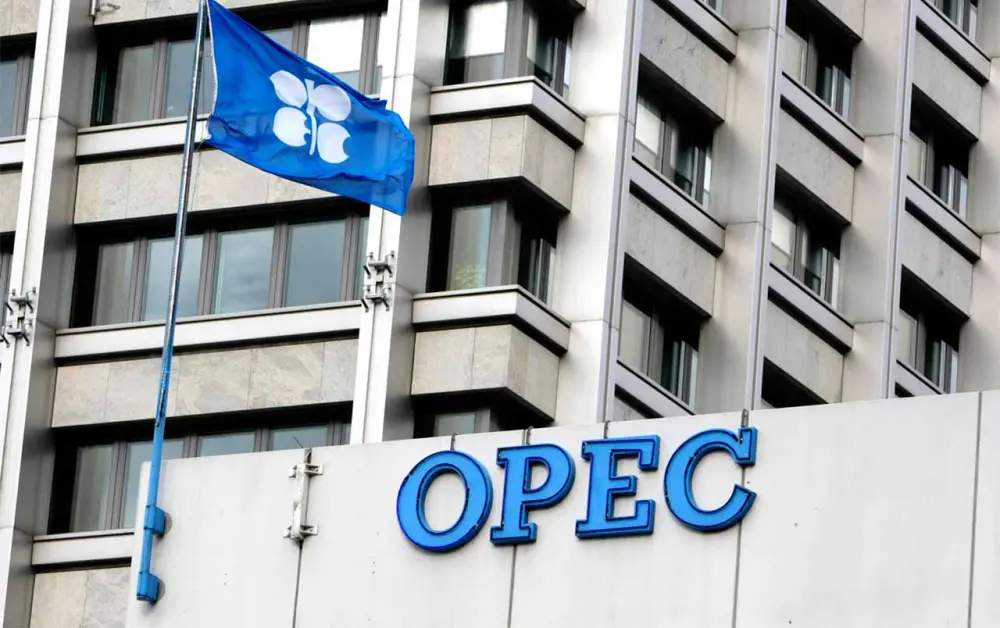
Global oil prices retreated in international trading after OPEC+ indicated that additional crude supplies could enter the market in the coming months, easing concerns that recent geopolitical tensions would trigger prolonged shortages. The development has shifted investor attention from supply disruptions toward broader expectations for global economic growth and future energy demand.
Oil markets have experienced heightened volatility throughout the year as conflicts in the Middle East, production decisions by major exporters, and changing demand forecasts continued to influence prices. Traders are now balancing expectations of increased output against concerns that slower economic growth in several major economies could limit future consumption.
OPEC+ remains one of the most influential groups in the global energy market. The alliance, which includes the Organization of the Petroleum Exporting Countries and several partner nations led by Russia, manages a significant share of the world's crude oil production. Even modest adjustments to production targets often have immediate effects on global oil prices, transportation costs, and inflation expectations.
The latest signals from the producer group suggest that member countries are becoming more confident about market stability. Increased production could help prevent sharp price spikes while ensuring sufficient supplies for global consumers during the second half of the year. Analysts believe the move also reflects confidence that demand remains resilient despite economic uncertainty in several regions.
Energy prices remain closely connected to inflation across the world. Higher crude oil prices typically increase transportation costs, manufacturing expenses, and household energy bills, eventually affecting the prices consumers pay for goods and services. Lower oil prices, on the other hand, can help reduce inflationary pressure and provide relief for businesses and households facing higher living costs.
Financial markets reacted cautiously to the latest developments. Shares of airline companies, transportation firms, and manufacturers often benefit from lower fuel costs, while energy producers may face pressure if crude prices remain weak for an extended period. Investors are also monitoring how central banks respond if falling energy prices contribute to slower inflation.
Demand expectations continue to play an equally important role in determining market direction. Economic activity in China, the United States, India, and Europe remains a major driver of global oil consumption. Strong industrial production, increased travel, and expanding manufacturing activity generally support higher demand, while slower economic growth can weaken consumption and place downward pressure on prices.
The shipping industry is also watching developments closely. Stable oil prices contribute to more predictable transportation costs for international trade, benefiting importers, exporters, and logistics companies operating across global supply chains. Businesses dependent on fuel-intensive operations often adjust investment decisions based on expectations for future energy costs.
Geopolitical risks remain an important factor. Although recent diplomatic efforts have reduced some concerns surrounding major supply routes, investors recognize that unexpected disruptions involving key oil-producing regions could quickly reverse current market trends. The Middle East continues to account for a significant portion of global crude exports, making regional stability a critical element of energy market confidence.
Economists expect oil prices to remain sensitive to production decisions, economic data, and geopolitical developments throughout the coming months. OPEC+ meetings, global manufacturing reports, inflation figures, and changes in international trade patterns are likely to shape investor sentiment and determine whether current price levels can be sustained.
For businesses and consumers alike, the direction of oil prices will continue to influence transportation costs, inflation, corporate earnings, and economic growth. While the latest market movement points toward improved supply conditions, traders remain alert to any event capable of altering the balance between global production and demand.


 Cristiano Ronaldo has hinted that the 2026–27 season could be his final year in professional football after more than two decades at the top of the sport.



0 Comments: