Climate scientists have warned that human-driven climate change is significantly increasing the dangerous heat affecting several host cities during the FIFA World Cup, raising fresh concerns about player safety, fan health, and the future of major sporting events.
A new analysis by the World Weather Attribution group found that the ongoing heat wave across parts of the United States and Canada has been intensified by global warming caused by fossil fuel emissions.
The warning comes as temperatures continue climbing across several World Cup venues. In some cities, the heat index is expected to exceed safe levels recommended by international sports medicine experts, increasing the risk of dehydration, heat exhaustion, and heat stroke for players, match officials, volunteers, and supporters attending outdoor matches.
Meteorologists say a powerful heat dome has settled over large parts of North America, trapping hot air and preventing cooler weather systems from entering the region. The result has been several consecutive days of exceptionally high temperatures, with some host cities recording heat index values above 40°C (104°F).
Sports medicine specialists have renewed calls for FIFA to strengthen its extreme-weather protocols. Current recommendations include additional hydration breaks, expanded medical teams inside stadiums, shaded recovery areas, and greater flexibility to adjust kickoff times when weather conditions become dangerous. Some experts believe mandatory postponements should also be considered when temperatures exceed established safety thresholds.
Beyond football, scientists say the ongoing heat wave demonstrates how climate change is increasingly affecting international sporting events. Similar concerns have emerged during recent Olympic competitions, tennis tournaments, and marathon races, where athletes have been forced to compete under increasingly extreme weather conditions.
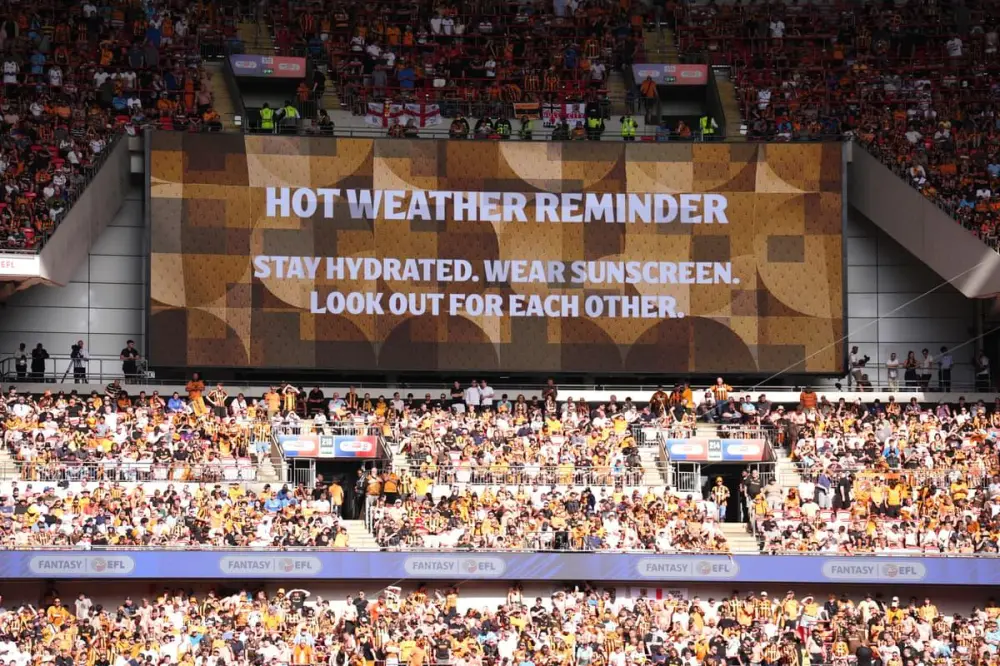
Public health agencies are also urging fans traveling to World Cup matches to take extra precautions. Authorities recommend drinking plenty of water, avoiding prolonged exposure to direct sunlight, wearing light clothing, and seeking medical attention immediately if symptoms of heat-related illness appear.
Climate researchers argue that extreme weather events like the current heat wave are becoming more frequent and more intense as global temperatures continue to rise. They warn that future organizers of major international events will need to invest more heavily in climate adaptation measures, including redesigned stadiums, improved cooling systems, and more flexible competition schedules.
With millions of supporters attending the tournament and billions watching worldwide, the World Cup has once again highlighted how climate change is becoming an increasingly important challenge for global sport. Scientists say protecting athletes and spectators will require both immediate heat-management strategies and long-term efforts to reduce greenhouse gas emissions worldwide.


 Cristiano Ronaldo has hinted that the 2026–27 season could be his final year in professional football after more than two decades at the top of the sport.




0 Comments: