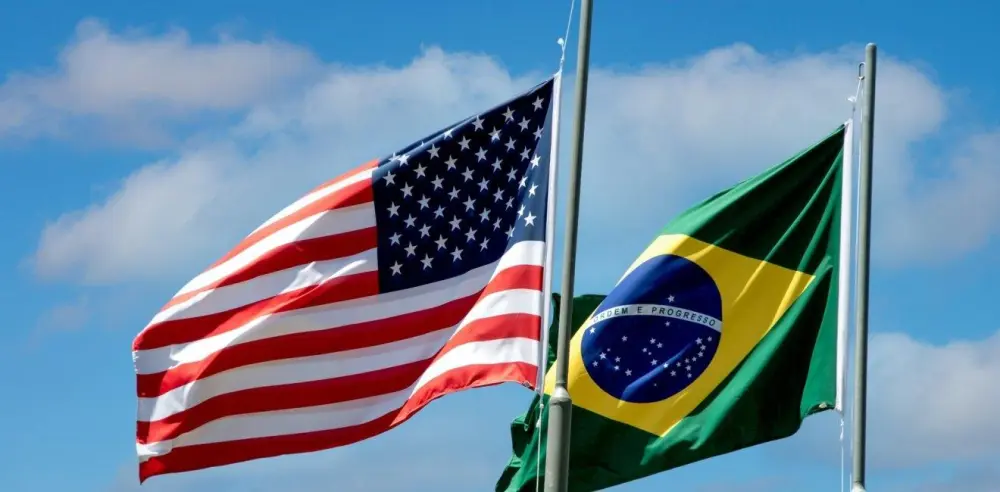
Brazil's instant payment platform PIX has become the latest source of tension between Brazil and the United States as the Trump administration moves closer to deciding whether to impose new tariffs on Brazilian products. The dispute has transformed one of Brazil's biggest financial innovations into an international trade issue.
PIX, launched by Brazil's central bank in 2020, has grown into the country's most widely used payment system, allowing individuals and businesses to transfer money instantly at little or no cost. Millions of Brazilians now use the platform daily, making it one of the world's fastest-growing digital payment networks.
U.S. trade officials have raised concerns that PIX could reduce the role of traditional international payment companies and create barriers for foreign financial firms operating in Brazil. The issue has become part of a broader U.S. investigation into Brazil's trade practices, with a decision on proposed tariffs expected later this month.
Brazilian President Luiz Inácio Lula da Silva has strongly defended PIX, describing it as a symbol of Brazil's technological independence and financial innovation. His government insists the payment system was created to improve financial inclusion and reduce transaction costs for consumers and businesses rather than disadvantage foreign competitors.
The debate has also become a major issue in Brazil's presidential election campaign. Political leaders are divided over how the country should respond to U.S. pressure, with some calling for negotiations while others argue Brazil should firmly defend its economic sovereignty.
Economists say the outcome of the dispute could influence trade relations between Latin America's largest economy and the United States while shaping the future of digital payment systems around the world. Businesses and investors are closely watching Washington's final decision, which could have significant implications for bilateral trade and financial technology development.



 Cristiano Ronaldo has hinted that the 2026–27 season could be his final year in professional football after more than two decades at the top of the sport.

0 Comments: