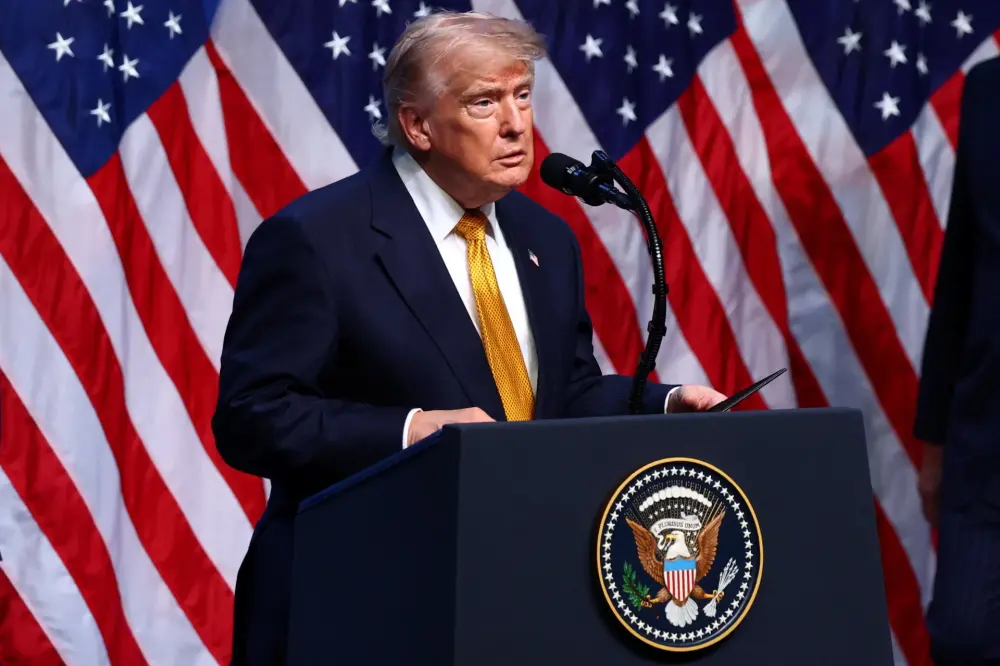
President Donald Trump has warned that the United States is prepared to expand military operations against Iran if diplomatic efforts fail, marking another dramatic escalation in one of the world's most closely watched conflicts. U.S. officials say recent strikes are intended to weaken Iran's military capabilities while preserving freedom of navigation through the strategically vital Strait of Hormuz.
The warning follows several days of intensified military activity across the Middle East. American forces have targeted Iranian air defense systems, missile launch sites, and maritime assets, while officials describe the operations as preparations for possible broader action if Tehran refuses to negotiate. Trump has also left open the possibility of additional strikes on key Iranian strategic facilities.
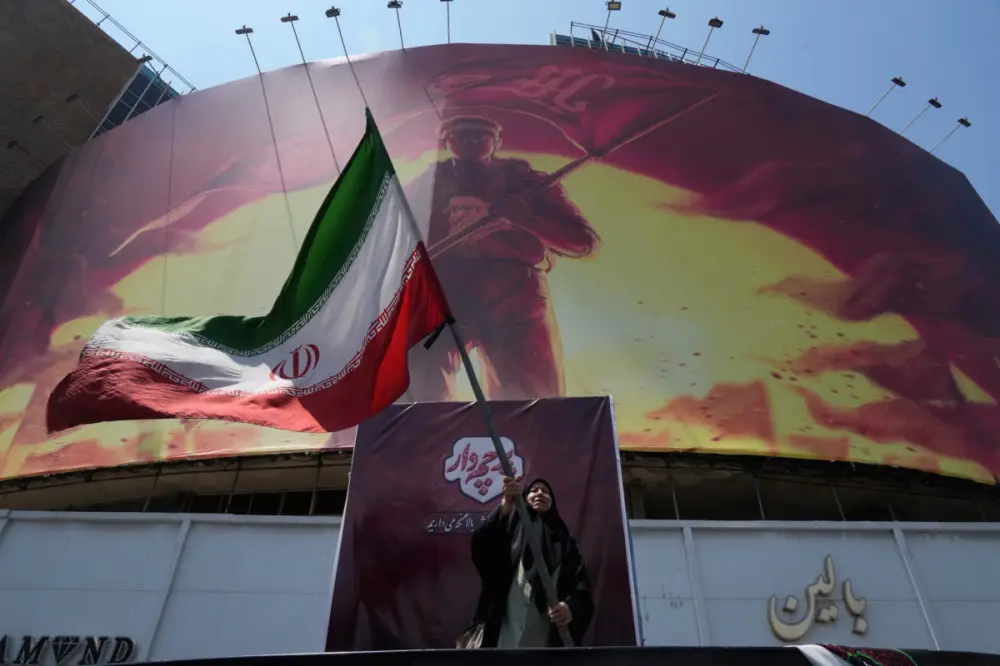
Iran has responded by condemning the attacks and threatening further retaliation. Officials in Tehran warned that continued military pressure could endanger regional shipping and energy exports, raising concerns among governments and financial markets around the world. The latest developments have increased fears that the conflict could expand beyond its current scope.
Global energy markets reacted cautiously as investors monitored developments around the Strait of Hormuz, one of the world's most important oil transit routes. Any prolonged disruption could affect international fuel supplies, shipping costs, inflation, and economic growth. Analysts say energy traders remain highly sensitive to every new military announcement from Washington and Tehran.
Despite the growing military pressure, diplomatic channels have not completely closed. Officials from several Gulf countries continue encouraging both sides to return to negotiations in an effort to prevent a broader regional conflict. However, public statements from both Washington and Tehran suggest that significant differences remain before any agreement can be reached.
Military analysts believe the coming days will be critical. While the United States says its operations are focused on reducing Iran's military capabilities and protecting international shipping, experts warn that further escalation could increase instability across the Gulf and create additional risks for global trade.
The crisis has also become a major political issue in Washington, where lawmakers remain divided over the scope and duration of U.S. military involvement. International allies are closely monitoring the situation while urging restraint and renewed diplomatic engagement.
As tensions continue rising, governments, businesses, and investors worldwide are watching every development. The outcome of the current confrontation could shape global energy markets, regional security, and international diplomacy for months to come.

 Cristiano Ronaldo has hinted that the 2026–27 season could be his final year in professional football after more than two decades at the top of the sport.
0 Comments: