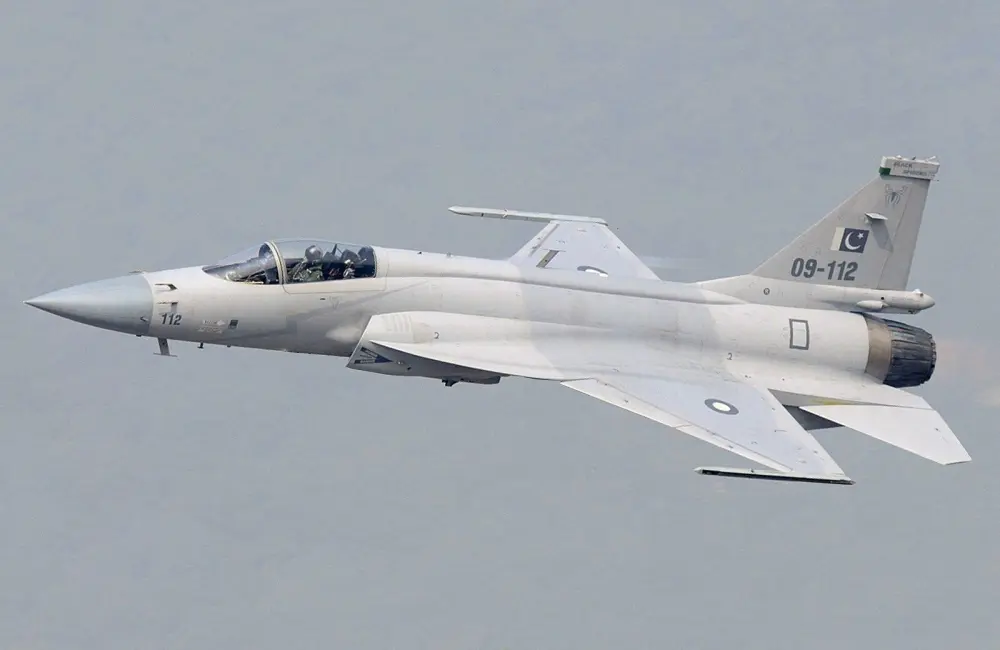
Tensions between Pakistan and Afghanistan have escalated sharply after Pakistan carried out a new series of airstrikes against what it described as militant positions across the border. Pakistani military officials said the operation targeted armed groups allegedly responsible for launching attacks inside Pakistan, while Afghan authorities condemned the strikes and reported civilian casualties in affected areas. The latest military action has once again placed the fragile relationship between the two neighboring countries under intense international scrutiny.
According to Pakistani officials, the operation was launched after intelligence indicated that militant groups were using border regions inside Afghanistan to organize cross-border attacks against Pakistani security forces.
Islamabad has repeatedly called on the Afghan authorities to prevent armed groups from operating within their territory, arguing that continued militant activity poses a serious threat to Pakistan's national security. Military sources described the strikes as targeted operations intended to disrupt militant infrastructure rather than broader military action.
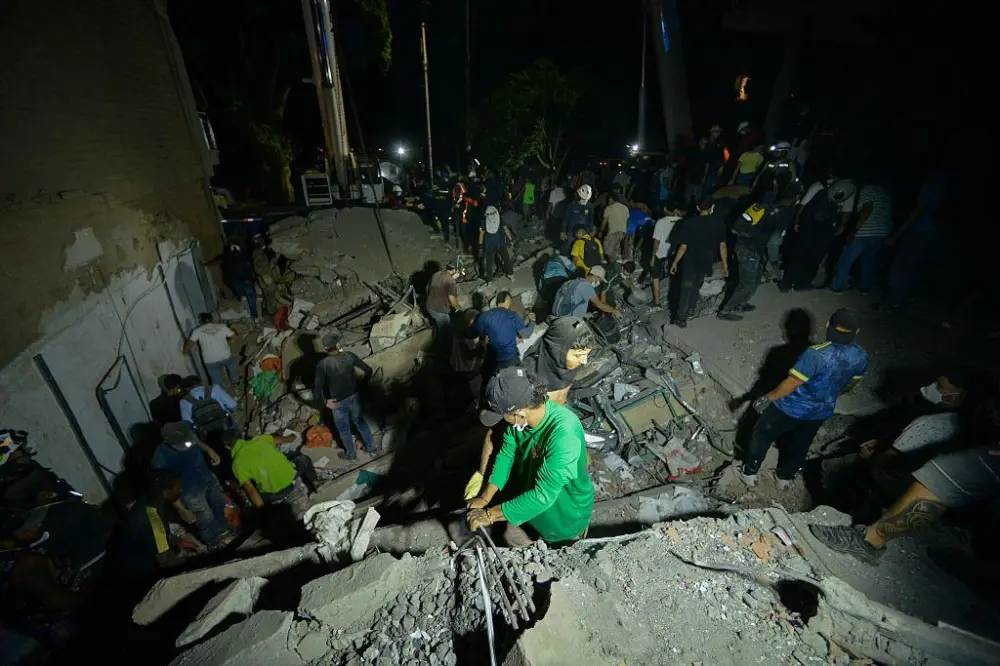
Afghanistan's authorities strongly rejected Pakistan's explanation, accusing Islamabad of violating Afghan sovereignty and causing civilian casualties. Local officials reported damage to homes and infrastructure in areas near the border, while emergency responders were deployed to assist affected families. Afghan representatives urged the international community to condemn the strikes and called for dialogue instead of military escalation to address security concerns.
The border between Pakistan and Afghanistan has remained one of the most volatile regions in South Asia for years. Armed groups have frequently exploited the mountainous terrain to move across the frontier, creating persistent security challenges for both governments. Disputes over border management, refugee movements, and counterterrorism operations have repeatedly strained diplomatic relations despite ongoing efforts to improve cooperation.
Regional security experts warn that continued military exchanges could increase instability across South Asia. Several neighboring countries are monitoring developments closely because prolonged tensions could affect trade, humanitarian operations, and broader regional cooperation. International organizations have also expressed concern that escalating violence may worsen the humanitarian situation for communities living near the border.
The latest escalation comes at a time when both countries are facing significant economic challenges. Analysts say prolonged security tensions could discourage foreign investment, disrupt cross-border commerce, and complicate infrastructure projects designed to improve regional connectivity. Business groups have urged both governments to prioritize diplomatic engagement in order to minimize economic disruption.
Diplomatic efforts are expected to continue as international partners encourage restraint from both sides. Governments across the region have emphasized the importance of maintaining open communication channels while seeking practical solutions to shared security concerns. Observers believe that intelligence cooperation and coordinated border management could play an important role in reducing future confrontations.
Military analysts caution that while targeted operations may address immediate security threats, lasting stability will require broader political and diplomatic engagement. The complex security environment along the Pakistan-Afghanistan border cannot be resolved solely through military means, making sustained dialogue essential for reducing tensions and preventing further violence.
As investigations into the latest strikes continue, attention remains focused on whether both governments can prevent the current crisis from developing into a wider confrontation. The coming days are expected to be critical as diplomatic efforts intensify and regional leaders seek to restore stability in one of Asia's most strategically important border regions.


 Cristiano Ronaldo has hinted that the 2026–27 season could be his final year in professional football after more than two decades at the top of the sport.


0 Comments: