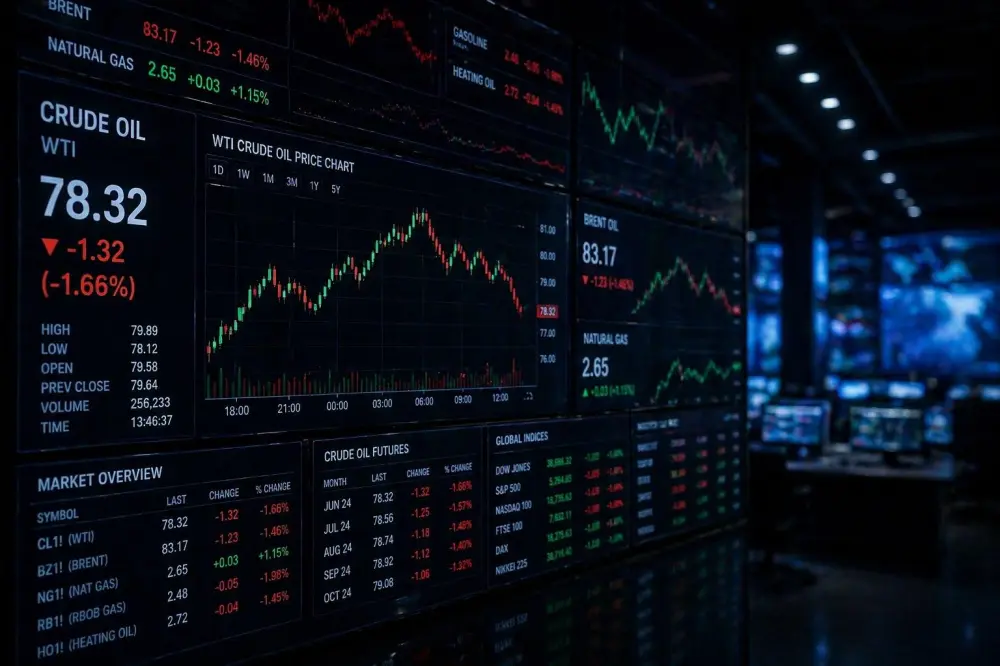
Global oil prices moved lower on Tuesday as investors shifted their attention from military tensions to renewed diplomatic efforts involving the United States and Iran. Financial markets reacted cautiously after President Donald Trump indicated that diplomacy remains the preferred path while officials prepared for possible discussions aimed at reducing tensions in the Middle East.
Brent crude and U.S. West Texas Intermediate futures both declined as traders anticipated that successful diplomatic engagement could reduce the risk of further disruptions to global energy supplies. Oil prices have remained highly sensitive to developments involving Iran because of the country's strategic position along the Strait of Hormuz, one of the world's busiest shipping routes for crude oil exports.
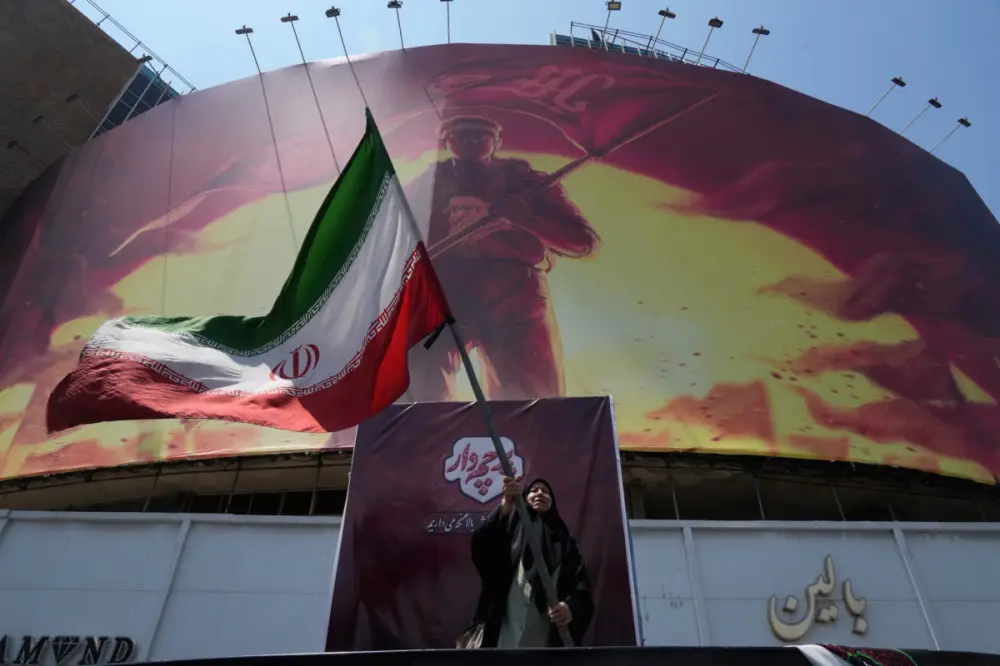
Although U.S. officials have expressed optimism about continued dialogue, uncertainty remains over the exact format of the proposed meetings. President Trump has stated that discussions with Iran are expected to help preserve the current ceasefire framework, while Iranian officials have publicly denied that a formal direct meeting with the United States has been scheduled. The differing statements have created uncertainty in global markets as investors await official confirmation from both sides.
Energy analysts say any progress in negotiations could improve confidence across international financial markets by reducing fears of supply interruptions from the Middle East. During previous periods of heightened tensions, concerns over shipping through the Strait of Hormuz caused sharp increases in crude oil prices because nearly one-fifth of the world's seaborne oil trade passes through the strategic waterway.
Despite recent diplomatic efforts, traders remain cautious. Iran has continued adjusting shipping procedures in the Gulf while regional security concerns persist. Shipping companies and insurers are closely monitoring developments as they evaluate potential risks to commercial vessels operating in the region. At the same time, oil exports from major Middle Eastern producers have largely continued without significant disruption, helping stabilize global energy markets.
Economists note that lower oil prices could provide relief for consumers and businesses by easing fuel costs and reducing inflationary pressure. However, they caution that the market remains highly vulnerable to sudden geopolitical developments, and any breakdown in diplomacy could quickly reverse recent price declines.
Governments across Europe, Asia, and the Middle East are following the situation closely because stability in the Gulf is critical to global trade, energy security, and economic growth. Diplomatic progress between Washington and Tehran would likely strengthen investor confidence, while renewed confrontation could once again trigger volatility across commodity and financial markets.


 Cristiano Ronaldo has hinted that the 2026–27 season could be his final year in professional football after more than two decades at the top of the sport.

0 Comments: