Myanmar has intensified its appeal for international humanitarian assistance as recovery efforts continue following a powerful earthquake that left widespread destruction across several regions of the country. Officials say the coming weeks will be crucial as rescue operations transition into long-term recovery, with thousands of families requiring shelter, food, medical treatment, and access to clean water.
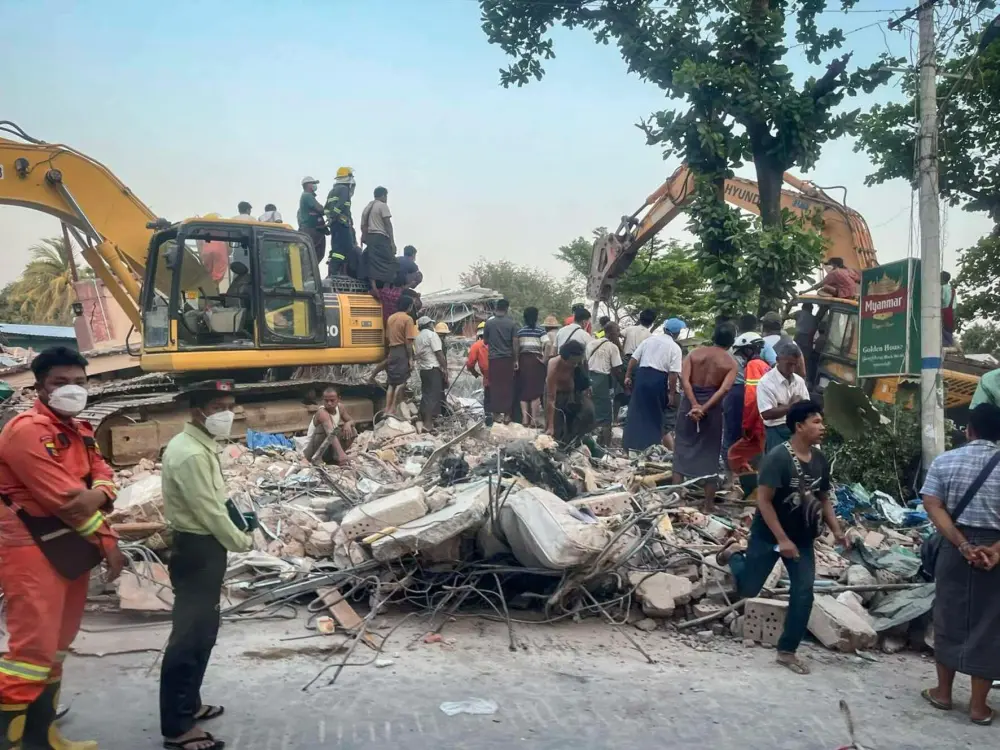
Emergency response teams have been working around the clock to clear debris, search damaged buildings, and restore essential infrastructure. Roads, bridges, hospitals, schools, and communication networks suffered significant damage in some of the worst-affected communities, making it difficult for aid workers to reach remote areas where survivors continue waiting for assistance.
Humanitarian organizations say the scale of the disaster has placed enormous pressure on local emergency services. Medical facilities are treating large numbers of injured residents while also attempting to maintain routine healthcare services for surrounding communities. Temporary medical centers have been established in several locations to provide emergency treatment, vaccinations, and psychological support for survivors affected by the disaster.
International relief agencies have begun delivering emergency supplies including food, bottled water, tents, blankets, generators, and medical equipment. Aid flights carrying humanitarian cargo continue arriving as governments and charitable organizations coordinate efforts to support recovery operations. Several neighboring countries have also offered engineering teams, search-and-rescue specialists, and financial assistance.
The earthquake has displaced thousands of people from their homes. Many families are now living in temporary shelters while engineers inspect damaged buildings to determine whether they remain structurally safe. Authorities warn that aftershocks continue to pose additional risks, particularly in areas where buildings have already been weakened.
Economic experts believe reconstruction will require substantial long-term investment. Rebuilding transportation networks, public services, housing, schools, and healthcare facilities could take months or even years depending on available resources and continued international support. The disaster is also expected to affect local businesses, agriculture, and tourism, creating additional economic challenges for communities already facing difficult conditions.
Aid organizations emphasize that access to clean drinking water and sanitation facilities remains one of the highest priorities. Following major natural disasters, damaged infrastructure increases the risk of disease outbreaks if emergency services cannot quickly restore safe water supplies and waste management systems. Public health teams are monitoring conditions closely while distributing hygiene kits and preventive medical supplies.
The Association of Southeast Asian Nations (ASEAN) and several international partners have pledged continued support for Myanmar's recovery efforts. Regional cooperation has become increasingly important as neighboring countries coordinate logistics, humanitarian deliveries, and disaster response expertise to reach affected populations more efficiently.
Disaster management specialists say the earthquake also highlights the importance of improving building standards, emergency preparedness, and early response systems throughout earthquake-prone regions. Investments in resilient infrastructure, public education, and disaster planning can significantly reduce casualties and economic losses during future natural disasters.
Recovery officials remain cautiously optimistic that continued international assistance will accelerate rebuilding efforts. While the immediate rescue phase is gradually ending, humanitarian agencies stress that the needs of affected communities will continue long after global headlines move elsewhere.
Ensuring access to housing, healthcare, education, employment, and essential public services will remain central to Myanmar's recovery as the country works to rebuild lives and restore stability following one of its most significant natural disasters in recent years.

 Cristiano Ronaldo has hinted that the 2026–27 season could be his final year in professional football after more than two decades at the top of the sport.



0 Comments: