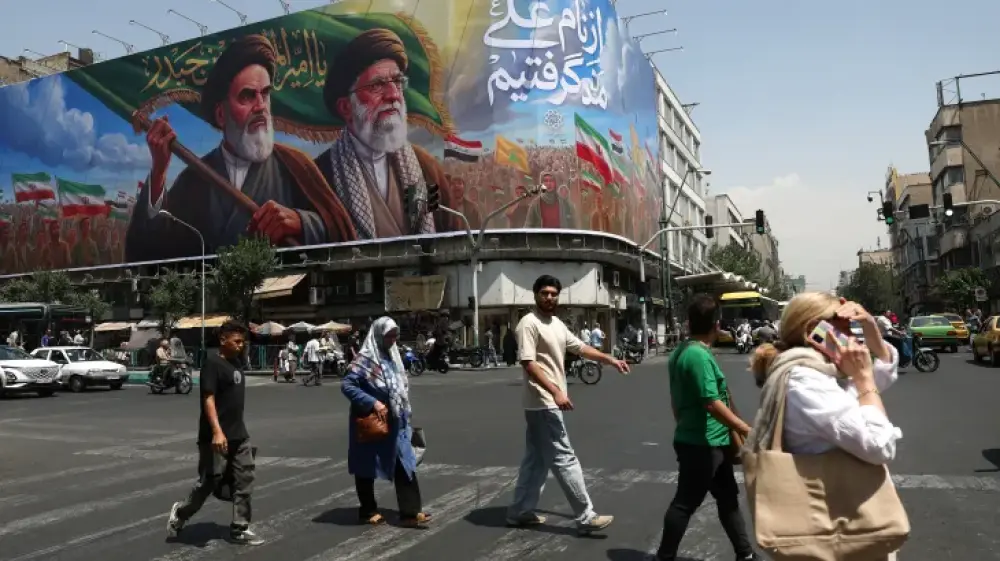
Iran has rejected a proposed meeting with senior envoys from U.S. President Donald Trump, casting doubt over efforts to secure a broader peace agreement following weeks of heightened tensions in the Middle East. The decision has renewed concerns among diplomats and investors that negotiations aimed at stabilizing the region could face significant setbacks.
Iranian officials said no formal meeting with American representatives is currently planned, despite earlier indications from Washington that diplomatic discussions were expected to continue. Tehran insisted that key issues surrounding the recent ceasefire must be resolved before any new negotiations can move forward.
The setback comes after both countries signaled a willingness to reduce military tensions following recent confrontations that threatened to disrupt energy supplies across the Middle East. While the ceasefire has largely held, the absence of direct talks has increased uncertainty about whether the diplomatic process can continue.
Financial markets reacted cautiously to the development. Global oil prices edged higher as traders weighed the possibility that stalled negotiations could increase geopolitical risks in the region. The Strait of Hormuz remains one of the world's most important shipping routes for crude oil, making any escalation between the United States and Iran a major concern for energy markets.
President Trump has repeatedly stated that his administration remains committed to preventing Iran from developing nuclear weapons while pursuing a diplomatic solution if possible. U.S. officials continue to say negotiations remain the preferred option, although they have also warned that Washington is prepared to respond if regional security deteriorates further.
International observers believe the coming days will be critical for determining whether both sides can return to the negotiating table. Governments across Europe and the Middle East are encouraging continued dialogue, warning that another breakdown in relations could affect regional stability, global trade, and international energy markets.
Although no immediate military escalation has been reported, the collapse of the planned meeting has increased uncertainty surrounding the future of U.S.-Iran relations. Investors, diplomats, and regional allies are now closely monitoring developments for signs that negotiations may resume or that tensions could once again intensify.

 Cristiano Ronaldo has hinted that the 2026–27 season could be his final year in professional football after more than two decades at the top of the sport.
0 Comments: